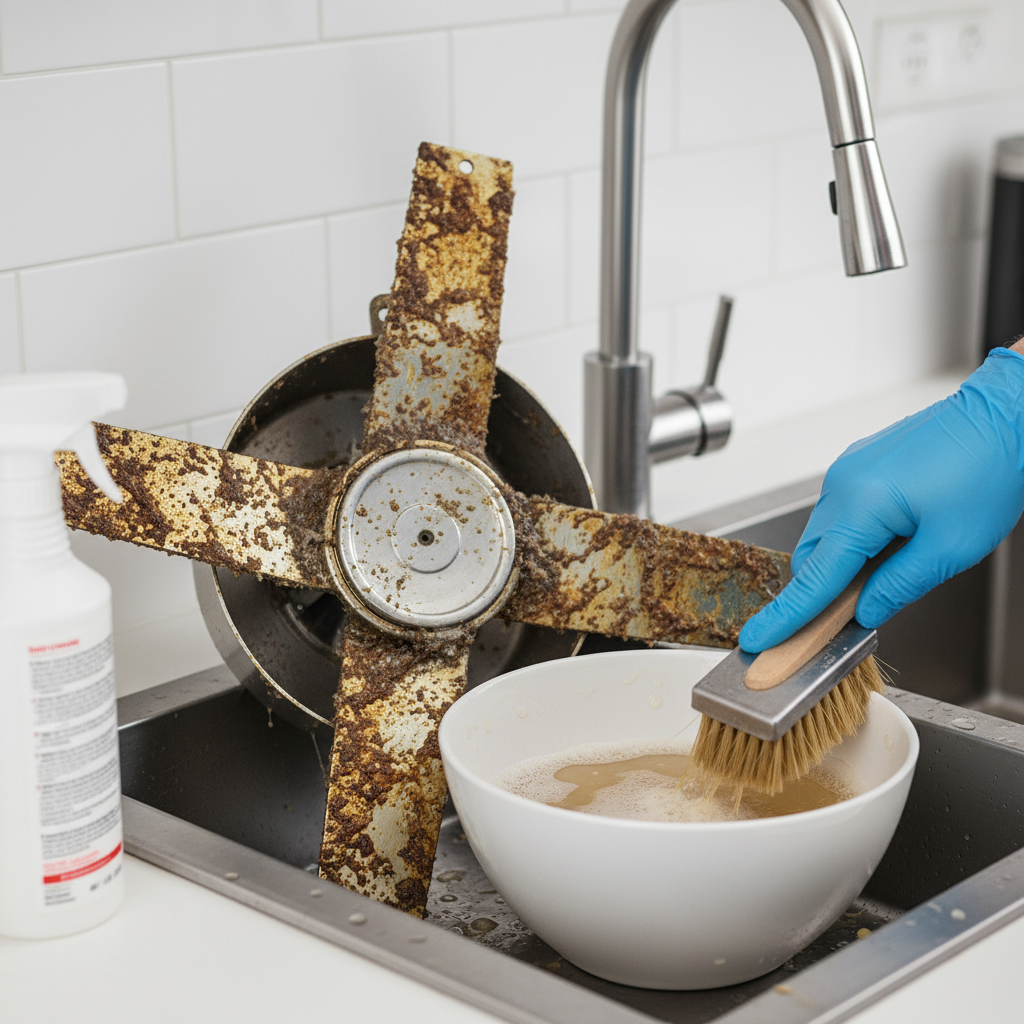
A greasy kitchen fan blade isn’t just an unsightly mess; it’s a sign of a working kitchen, but also a potential efficiency drain and hygiene concern. Over time, cooking fumes deposit a sticky, stubborn layer of polymerized oil onto your exhaust fan blades, trapping dust and grime. This build-up can reduce your fan’s effectiveness, making it harder to clear smoke and odors, and even pose a fire hazard if left unchecked. Tackling this grimy task might seem daunting, but with the right approach, tools, and a bit of elbow grease, you can restore your fan blades to their sparkling best. This guide will walk you through everything you need to know, from preparation to powerful cleaning methods, ensuring your kitchen stays fresh and functional.
Why Kitchen Fan Blades Get Greasy and Why Cleaning Matters
Kitchen fan blades, particularly those in range hoods, are designed to pull smoke, steam, and airborne grease particles away from your cooking area. While performing this essential function, they inevitably accumulate a residue of cooking oils. Over time, this oil hardens and becomes stickier due to heat and oxidation, creating a thick, greasy coating. This isn’t just ordinary dirt; it’s a stubborn film that can significantly impede the fan’s performance, forcing it to work harder and potentially leading to premature wear. Beyond efficiency, a heavily greased fan can harbor bacteria, contribute to unpleasant odors, and, in extreme cases, become a fire risk. Regular cleaning, ideally every three to four months for frequent cooks or every six months for occasional use, is crucial for maintaining a healthy and efficient kitchen environment.
Essential Preparations for Safe and Effective Cleaning
Before you begin the cleaning process, proper preparation is key to ensuring both your safety and the effectiveness of your efforts. A little foresight can prevent accidents and make the task much smoother.
- Safety First: Disconnect Power. The absolute first step is to turn off the power to your range hood or kitchen fan at the circuit breaker. This prevents accidental activation and eliminates any electrical hazards while you’re working near the motor and wiring.
- Protect Your Workspace. Lay down old towels, newspapers, or a drop cloth on your stovetop and surrounding countertops. This will catch any drips, loosened grease, or cleaning solutions, making cleanup easier.
- Gather Your Tools and Materials. You’ll need gloves (rubber or nitrile are best for protection against grease and cleaning agents), safety goggles (especially if using stronger chemicals), sponges, soft brushes (an old toothbrush can be useful for tight spots), microfiber cloths, and your chosen cleaning solution. A small bucket or basin for soaking may also be helpful.
- Ensure Good Ventilation. Open windows or turn on any other exhaust fans in your kitchen, especially if you plan to use commercial degreasers or strong cleaning agents. Good airflow protects you from inhaling fumes.
- Consult Your Owner’s Manual. Before disassembling any parts, always check your appliance’s owner’s manual. It provides specific instructions for safe removal and reinstallation of fan blades and filters, and may advise against certain cleaning products that could damage the material.
Step-by-Step Guide to Removing and Cleaning Fan Blades
Cleaning greasy fan blades effectively often requires removing them from the unit. This allows for a more thorough cleaning and reduces the risk of damaging electrical components or surfaces around the fan.
Step 1: Disconnecting Power and Preparing the Area
|
Our Picks for the Best Pedestal fan in 2026
As an Amazon Associate I earn from qualifying purchases.
|
||
| Num | Product | Action |
|---|---|---|
| 1 | DREO Fan for Bedroom, 2026 Upgraded, 90ft Airflow, 20dB Quiet Fan, 90° Oscillating Standing Fan for Whole Room, DC Motor, 8+H Speeds, 3 Modes, 38-42'' Adjustable Height, 8H Timer, 105° Manual Vertical |

|
| 2 | Lasko 2521 16 Inch 3-Speed Quiet Adjustable Tilting Wide-Area Oscillating Standing Pedestal Fan for Bedroom, Kitchen, Home, and Office, Black |
|
| 3 | DREO Fan for Bedroom, 2026 Upgraded, 90ft Airflow, 20dB Quiet Fan, 90° Oscillating Standing Fan for Whole Room, DC Motor, 8+H Speeds, 3 Modes, 38-42'' Adjustable Height, 8H Timer, 105° Manual Vertical |
|
| 4 | PELONIS 16 inch Pedestal Fan for Bedroom , Oscillating Fan, 3-Speeds, 90° Oscillation, Adjustable Height, Floor Fan, Standing Fan for Living Room, Kitchen, and Home office, Black |
|
| 5 | Lasko Oscillating Cyclone Pedestal Fan, Adjustable Height, Timer, Remote Control, 3 Speeds, for Bedroom, Living Room, Home Office, 18", Black, 1843 |
|
| 6 | Lasko Pedestal Fan, Oscillating Fan for Bedroom with Adjustable Height and 3 Cooling Speeds, Portable, 18", Black, 1827 |
|
| 7 | Lasko 2520 Oscillating Stand Fan,White 16 Inch |
|
| 8 | JRD Fan for Bedroom, 70° Oscillating Standing Fan, 100ft Quiet Pedestal Fans for Home Office, 85° Manual Vertical, Touch+Remote, 24H Timer,32 Wind Speeds, 39-43" Adjustable Height, Air Circulator |
|
| 9 | Amazon Basics 16" Pedestal Fan with Remote for Bedroom, Living Room, Office, Adjustable Height, Dual-Layered Blades, 3 Speeds, 3 Modes, Timer, Tilt Head, 60W, Black |
|
| 10 | DREO Fan for Bedroom, 2026 Upgraded, 90ft Airflow, 20dB Quiet Fan, 90° Oscillating Standing Fan for Whole Room, DC Motor, 8+H Speeds, 3 Modes, 38-42'' Adjustable Height, 8H Timer, 105° Manual Vertical |
|
Once the power is off and your workspace is protected, double-check that the fan is completely still and cannot accidentally turn on. This foundational safety measure is paramount.
Step 2: Carefully Removing Fan Blades
Most kitchen exhaust fans have removable blades or fan cages. Typically, these are secured with screws or clips.
- Locate Fasteners: Identify the screws or clips holding the fan blades or the protective cage in place. Use the appropriate screwdriver or tool.
- Gentle Removal: Carefully unscrew or unclip the components. Support the blades as you remove them to prevent them from falling. Place all screws and small parts in a designated container to avoid losing them.
- If Non-Removable: If your fan blades are not designed to be removed, you will need to clean them in place. In this scenario, exercise extreme caution, ensuring no liquid drips into the motor housing. You might need long-handled tools or specific brushes for access.
Step 3: Choosing Your Cleaning Method
The type and age of grease will dictate the most effective cleaning agent. Always start with the least aggressive method and move to stronger solutions if needed.
Method 1: Hot Soapy Water & Dish Soap
This is often the first line of defense for moderately greasy blades. Dish soaps, especially those marketed as “grease-cutting,” are designed to break down fats.
- Procedure: Fill a sink or basin with very hot water and a generous amount of dish soap (like Dawn). Submerge the fan blades and let them soak for at least 15-30 minutes, or longer for heavy build-up. The hot water helps to soften the grease, and the soap emulsifies it.
- Scrubbing: After soaking, use a soft brush or sponge to scrub away the loosened grease.
Method 2: Vinegar and Hot Water Solution
Vinegar’s acetic acid works by softening oxidized grease layers, making it easier to remove through a process called saponification (turning fat into soap).
- Procedure: In a spray bottle, mix equal parts white vinegar and hot (not boiling) water. Spray the solution generously onto the greasy blades, ensuring full coverage.
- Dwell Time is Crucial: Allow the solution to sit for 8-12 minutes. This dwell time is essential for the acetic acid to penetrate and begin breaking down the molecular bonds of the grease. Rushing this step is a common reason for ineffective cleaning.
- Wiping: After the dwell time, use a microfiber cloth or soft sponge to gently wipe each blade downwards, collecting the residue onto a towel placed below. Repeat if necessary.
Method 3: Baking Soda Paste
Baking soda is a natural alkaline abrasive that can dissolve grease and absorb odors. It’s safe, non-toxic, and effective.
- Procedure: In a small bowl, combine baking soda with a few drops of water to form a thick paste. For very heavy grease, you can add a few drops of dishwashing soap to the paste.
- Application: Apply the paste with a soft, damp sponge, using gentle pressure. For stainless steel, wipe in the direction of the grain to avoid scratching.
- Dwell and Wipe: Let the paste sit for 10-15 minutes, then gently scrub and wipe away the grease.
Method 4: Commercial Degreasers
For extremely stubborn, thick layers of grease, commercial degreasers can be highly effective. Products like Mr. Clean (yellow, undiluted), Krud Kutter, Dawn PowerWash, Mean Green Super Strength Cleaner and Degreaser, or Zep Industrial Purple Degreaser are popular choices. Even oven cleaner (e.g., Easy Off) can be used for very old, caked-on grease, but with extreme caution.
- Precautions: Always wear gloves and safety goggles. Ensure the area is exceptionally well-ventilated. Follow the product’s instructions carefully for application and dwell time. Avoid spraying directly onto electrical components.
- Procedure: Apply the degreaser as directed. For some, a quick spray and wipe is enough; for others, a longer dwell time (e.g., 10-30 minutes, or even overnight for oven cleaner) is recommended.
- Scrubbing: Use a non-abrasive scrub brush or sponge to loosen and remove the grease. For incredibly thick, almost solidified grease, some experts recommend using a razor blade first to carefully scrape off the main bulk, then apply a cleaning product.
Method 5: Oil-to-Oil Technique
This counter-intuitive method works surprisingly well for very old, sticky grease. “Like dissolves like,” meaning new oil can help break down old, hardened oil.
- Procedure: Apply a small amount of clean cooking oil (any kind) to a paper towel or cloth. Rub this onto the greasy fan blades. The fresh oil will help dissolve and loosen the caked-on grease.
- Follow with Soap: Once the heavy grease is softened and removed, clean the blades thoroughly with hot, soapy water (Method 1) to remove the remaining oil residue.
Step 4: Scrubbing and Wiping Away Grease
Once your chosen cleaning solution has had time to work, use a soft brush or sponge to scrub away the loosened grease. For intricate areas or stubborn spots, an old toothbrush can be particularly effective. Ensure you apply gentle but firm pressure.
Step 5: Rinsing Thoroughly
This step is critical. Any residual cleaning agent or grease can attract dust and grime quickly, making your cleaning short-lived.
- Procedure: Rinse the fan blades under running hot water until all traces of soap and grease are gone. For blades that cannot be removed, use a clean, damp cloth to wipe them down repeatedly until no residue remains.
Step 6: Drying Completely
Moisture is the enemy of electrical components and can lead to rust.
- Procedure: Use a clean, dry microfiber cloth to thoroughly dry each blade. For removable blades, you can also air-dry them completely before reinstallation. Ensure there is no moisture left before proceeding.
Step 7: Reassembling the Fan Blades
Once the blades are perfectly dry, carefully reattach them to the fan unit, ensuring all screws and clips are securely fastened. Double-check that they are properly aligned and can rotate freely. Finally, return power to your fan at the circuit breaker.
Advanced Tips and Common Mistakes to Avoid
A truly clean kitchen fan requires more than just scrubbing; it demands understanding the nuances of grease removal and avoiding common pitfalls.
“Many people rush the cleaning process, but the dwell time of your cleaning solution is paramount. Allowing the agent to penetrate the polymerized grease is what truly breaks it down, making removal far easier and more effective than pure mechanical scrubbing.” – Alice Chen, Professional Home Cleaning Specialist
- The Power of Dwell Time: As mentioned, patience is key. Don’t rush the soaking or application time. Let your chosen solution do its work.
- Avoid Abrasive Materials: Never use steel wool, harsh scrubbers, or abrasive powders on your fan blades, especially if they are made of plastic, painted metal, or stainless steel. These can scratch the surface, creating tiny crevices where grease can accumulate even more easily in the future.
- Beyond “Just Wiping It Down”: A quick wipe may seem sufficient, but it often only spreads the superficial grease. True cleaning requires dissolving the sticky, hardened layers beneath.
- Consistent Ventilation: Always ventilate your kitchen during and after cooking, even when using your exhaust fan. This reduces the amount of airborne grease that settles on surfaces, including the fan blades.
- Regular Maintenance Schedule: Consistency is more effective than infrequent, intense cleaning. Sticking to a quarterly or bi-annual cleaning schedule for your fan blades prevents grease from building up into an unmanageable mess.
- Don’t Forget the Filters: While this guide focuses on blades, remember that range hood filters also trap significant grease. Clean or replace them regularly according to your manufacturer’s recommendations for optimal fan performance.
Maintaining a Clean Kitchen Fan
Keeping your kitchen fan blades clean is an ongoing commitment, but it pays off in efficiency, hygiene, and the overall longevity of your appliance. Integrate these habits into your routine:
- Post-Cooking Wipe-Down: After cooking particularly greasy or oily meals, a quick wipe of the accessible parts of the fan housing and blades with a damp cloth can prevent immediate build-up.
- Schedule Reminders: Set a reminder on your phone or calendar for your quarterly or bi-annual deep clean.
- Filter Care: Clean or replace your range hood filters regularly. Clean filters mean less work for your fan and less grease escaping to the blades.
- Inspect Regularly: Take a quick peek at your fan blades once a month. If you see early signs of grease, address them promptly before they become a major problem.
A clean kitchen fan isn’t just about aesthetics; it’s about the health and efficiency of your cooking space. By following these comprehensive steps and maintaining a consistent cleaning routine, you can ensure your kitchen fan continues to clear the air effectively, making your cooking experience more enjoyable and your home healthier. Don’t let stubborn grease win – reclaim your kitchen’s freshness!
Frequently Asked Questions
How often should I clean my kitchen exhaust fan blades?
For optimal performance and hygiene, you should clean your kitchen exhaust fan blades every three to four months if you cook frequently. If you cook less often, a cleaning every six months may suffice. Regular inspection will help you determine if they need attention sooner.
What is the best natural degreaser for kitchen fan blades?
White vinegar mixed with hot water (1:1 ratio) is an excellent natural degreaser for kitchen fan blades. Baking soda paste, made with water and a few drops of dish soap, is another effective and non-toxic option that can dissolve grease safely.
Can I clean kitchen fan blades without removing them?
Yes, you can clean kitchen fan blades without removing them, but it requires extra caution. Ensure the power is off, protect surfaces below, and use long-handled brushes or spray applications. Avoid dripping liquids into electrical components.
What happens if I don’t clean my greasy kitchen fan blades?
If you don’t clean your greasy kitchen fan blades, the accumulated grease can reduce the fan’s efficiency, making it less effective at removing smoke and odors. It can also create an unhygienic environment, harbor bacteria, generate unpleasant smells, and, in severe cases, pose a fire hazard.
Are there any tools that make cleaning fan blades easier?
Yes, tools like soft-bristled brushes, old toothbrushes for crevices, microfiber cloths, and spray bottles for solutions can make cleaning easier. For blades that cannot be removed, specialized long-handled brushes or tongs with microfiber pads can help reach difficult areas safely.
Is it safe to use oven cleaner on fan blades?
Oven cleaner can be highly effective for very old, caked-on grease, but it should be used with extreme caution. Always wear heavy-duty gloves and safety goggles, ensure excellent ventilation, and test on an inconspicuous area first. Avoid contact with plastic parts or delicate finishes as it can cause damage.