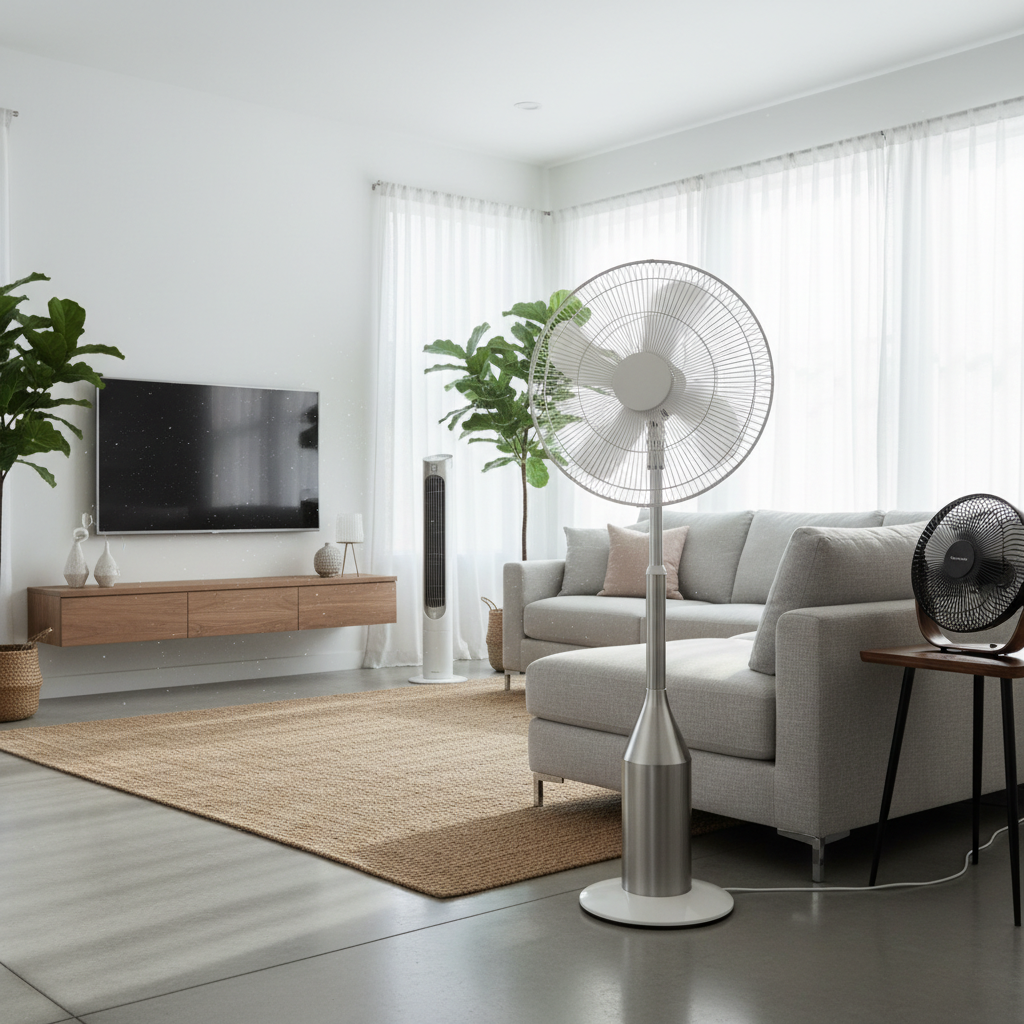
As an experienced technician, I’ve spent years delving into the world of pedestal fans, meticulously testing and evaluating countless models. My goal is to equip you with the knowledge and honest advice needed to select a pedestal fan that perfectly aligns with your cooling needs and budget. Let’s uncover the secrets to an optimal cooling solution for your living space.
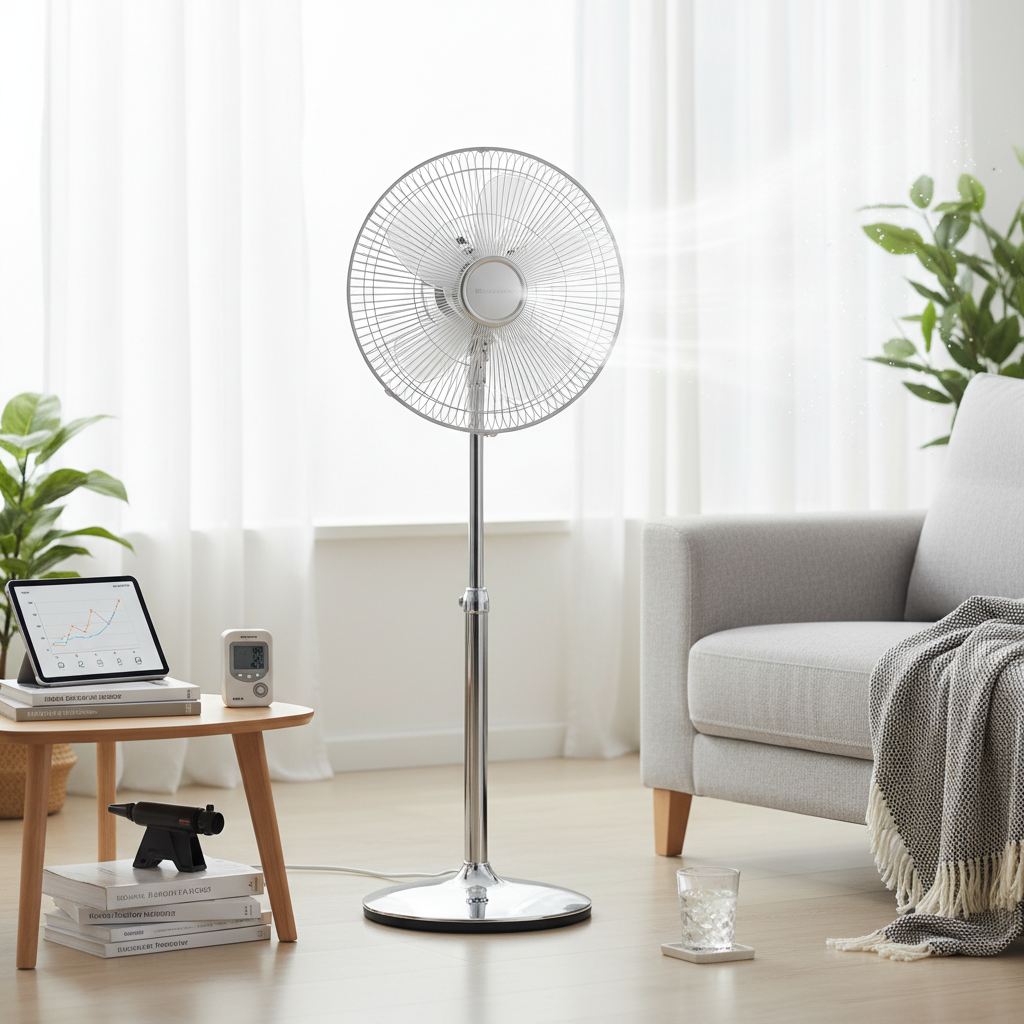
Exploring the World of Pedestal Fans: Your Ultimate Buying Guide
Pedestal fans, often known as stand fans, are a versatile and popular choice for circulating air and providing relief during warmer months. Their adjustable height and oscillating heads make them suitable for a wide array of settings, from bedrooms to home offices. Understanding the different varieties and their unique characteristics is the first step toward making an informed purchase.
Popular Types of Pedestal Fans
When considering a pedestal fan, you’ll encounter several variations, each offering distinct advantages.
Traditional Oscillating Pedestal Fans
These are the classic, most recognizable pedestal fans. They feature visible blades enclosed within a protective grille, mounted on an adjustable stand.
- Pros: Generally affordable, strong airflow, widely available, easy to disassemble for cleaning. Many models offer multiple speed settings and oscillation to distribute air across a room.
- Cons: Can be noisy, especially at higher speeds; the open blade design may collect dust quickly. Their traditional aesthetic might not suit all modern decors.
- Best for: General home use, workshops, garages, and areas where powerful, direct airflow is prioritized over ultra-quiet operation.
Pedestal Fans with Smart Features
Modern pedestal fans often integrate advanced functionalities beyond basic cooling. These can include remote controls, digital displays, and even smart home connectivity.
- Pros: Enhanced convenience through remote operation or app control, precise setting adjustments (multiple speeds, varied breeze modes like ‘natural’ or ‘sleep’), timers for automatic shut-off. Some may include temperature sensors.
- Cons: Typically more expensive than traditional models, and some smart features might be superfluous for users seeking a simple fan.
- Best for: Tech-savvy users, bedrooms where remote operation is convenient, or living spaces where precise control and aesthetic integration are desired.
Energy-Efficient Pedestal Fans
With growing environmental awareness and rising energy costs, fans designed for lower power consumption are increasingly popular.
- Pros: Significantly reduce electricity bills, lower environmental impact. Often feature DC (direct current) motors which are quieter and more durable than traditional AC motors.
- Cons: Initial purchase price can be higher. Some highly efficient models might offer slightly less raw power than their energy-hungry counterparts.
- Best for: Environmentally conscious buyers, those looking for long-term savings on utility bills, or anyone prioritizing quiet operation.
Misting Pedestal Fans
While less common specifically as “pedestal” fans, some fan designs incorporate a misting function to add humidity and enhance the cooling sensation, particularly in dry climates.
- Pros: Provides an evaporative cooling effect, which can make the air feel significantly cooler. Adds humidity to dry environments, potentially beneficial for skin and respiratory comfort.
- Cons: Requires a water reservoir, which needs refilling and regular cleaning to prevent mold or mildew. Can increase humidity in a room, which might be undesirable in already humid conditions. These are also generally larger and heavier.
- Best for: Outdoor patios, very dry indoor environments, or individuals seeking enhanced cooling beyond simple air circulation.
|
Our Picks for the Best Pedestal fan in 2026
As an Amazon Associate I earn from qualifying purchases.
|
||
| Num | Product | Action |
|---|---|---|
| 1 | Lasko Oscillating Cyclone Pedestal Fan, Adjustable Height, Timer, Remote Control, 3 Speeds, for Bedroom, Living Room, Home Office, 18", Black, 1843 |

|
| 2 | DREO Fan for Bedroom, 2026 Upgraded, 90ft Airflow, 20dB Quiet Fan, 90° Oscillating Standing Fan for Whole Room, DC Motor, 8+H Speeds, 3 Modes, 38-42'' Adjustable Height, 8H Timer, 105° Manual Vertical |
|
| 3 | DREO Fan for Bedroom, 2026 Upgraded, 90ft Airflow, 20dB Quiet Fan, 90° Oscillating Standing Fan for Whole Room, DC Motor, 8+H Speeds, 3 Modes, 38-42'' Adjustable Height, 8H Timer, 105° Manual Vertical |
|
| 4 | Lasko 2521 16 Inch 3-Speed Quiet Adjustable Tilting Wide-Area Oscillating Standing Pedestal Fan for Bedroom, Kitchen, Home, and Office, Black |
|
| 5 | Lasko 2520 Oscillating Stand Fan,White 16 Inch |
|
| 6 | JRD Fan for Bedroom, 70° Oscillating Standing Fan, 100ft Quiet Pedestal Fans for Home Office, 85° Manual Vertical, Touch+Remote, 24H Timer,32 Wind Speeds, 39-43" Adjustable Height, Air Circulator |
|
| 7 | Lasko Pedestal Fan, Oscillating Fan for Bedroom with Adjustable Height and 3 Cooling Speeds, Portable, 18", Black, 1827 |
|
| 8 | DREO Fan for Bedroom, 2026 Upgraded, 90ft Airflow, 20dB Quiet Fan, 90° Oscillating Standing Fan for Whole Room, DC Motor, 8+H Speeds, 3 Modes, 38-42'' Adjustable Height, 8H Timer, 105° Manual Vertical |
|
| 9 | PELONIS 16 inch Pedestal Fan for Bedroom , Oscillating Fan, 3-Speeds, 90° Oscillation, Adjustable Height, Floor Fan, Standing Fan for Living Room, Kitchen, and Home office, Black |
|
| 10 | Amazon Basics 16" Pedestal Fan with Remote for Bedroom, Living Room, Office, Adjustable Height, Dual-Layered Blades, 3 Speeds, 3 Modes, Timer, Tilt Head, 60W, Black |
|
Key Factors When Choosing Your Pedestal Fan
Selecting the right pedestal fan involves more than just picking the first one you see. Thoughtful consideration of several factors will ensure your investment provides lasting comfort.
Power and Airflow (CFM/RPM)
The effectiveness of a fan is largely determined by its ability to move air.
- Room Size: For smaller rooms (e.g., bedrooms, small offices), a fan with a blade sweep of 9-12 inches and moderate RPM (rotations per minute) is usually sufficient. Larger areas like living rooms or open-plan spaces benefit from broader blade sweeps (16 inches or more) and higher CFM (cubic feet per minute) to circulate air efficiently.
- Wattage: A good wattage for a pedestal fan typically ranges from 50 to 70 watts, balancing effective cooling with energy consumption. Higher wattage usually means more power, but not always better efficiency.
Noise Level (dB)
A fan’s noise can significantly impact comfort, especially in quiet environments.
- Impact: A noisy fan can disrupt sleep, work, or relaxation. Standard pedestal fans can range from 45-55 decibels (dB), which is comparable to a normal conversation. Quieter models, especially those with advanced motor technology, can operate as low as 26-35 dB, akin to a whisper.
- Consideration: If the fan is for a bedroom or office, prioritize models with lower decibel ratings, particularly on lower speed settings. Some fans produce a consistent “white noise,” which can be less annoying than thrumming or whining sounds.
Material and Durability
The construction material directly impacts a fan’s lifespan and stability.
- Plastic: Lighter and easier to move, often more affordable. High-quality plastics can be very durable.
- Metal: Generally more sturdy and durable, offering greater stability, especially for larger or more powerful fans. Metal fans might be heavier and potentially more resistant to tipping.
- Base Design: A weighted, wide, or multi-leg base enhances stability, preventing accidental falls, which is crucial in households with children or pets.
Features and Convenience
Modern pedestal fans come packed with features designed to enhance user experience.
- Remote Control: Offers convenience, allowing adjustments from across the room.
- Timer: Useful for programming the fan to turn off after a set period, saving energy and providing comfort while sleeping.
- Oscillation: Rotates the fan head from side to side, distributing air over a wider area. Some models offer wider oscillation angles (e.g., 80° or 360°) or adjustable oscillation.
- Multiple Speed Settings: Allows you to customize airflow intensity to match your comfort level and ambient temperature.
- Breeze Modes: “Natural” mode simulates varying wind patterns, while “sleep” mode gradually reduces fan speed for quieter operation overnight.
- Adjustable Height and Tilt: Essential for directing airflow precisely where needed, whether at seating level or towards the ceiling for broader circulation.
Brand and Price
While specific models are not the focus, choosing reputable brands often translates to better quality and customer support.
- Reputable Brands: Brands known for their cooling appliances often invest in better motor technology, safer designs, and more reliable components.
- Budget: Pedestal fans are available across a wide price spectrum. Determine your budget, but consider the long-term value of durability, energy efficiency, and desired features rather than just the lowest initial cost.
Comparing Top Pedestal Fan Models
When evaluating different pedestal fan models, a systematic comparison of their specifications and features is invaluable. Instead of listing specific models, which frequently change, consider creating your own comparison chart based on what’s available in the market. This chart should detail key aspects such as:
| Feature/Specification | Model A | Model B | Model C |
|---|---|---|---|
| Airflow (CFM/RPM) | High | Medium | Low |
| Noise Level (dB) | Very Quiet (25-30dB) | Moderate (45-50dB) | Noisy (55-60dB+) |
| Wattage | 30W (DC Motor) | 60W (AC Motor) | 80W (AC Motor) |
| Blade Design | 5-blade (Aerodynamic) | 3-blade (Standard) | Bladeless (Tower design) |
| Speed Settings | 12 | 3 | 5 |
| Oscillation | 90° Horizontal & Vertical | 90° Horizontal | Fixed |
| Control Type | Remote & App | Manual & Remote | Manual |
| Special Features | Smart Modes, Air Purifier | Timer (8h) | Ionizer |
| Material | ABS Plastic | Metal Body | Hybrid |
| Price Range | $$$$ | $$ | $$$ |
This type of comparison allows you to weigh the trade-offs between power, noise, features, and cost to find a fan that best fits your requirements. For instance, a 5-blade fan often provides smoother, quieter airflow, making it suitable for residential use, while a 3-blade fan might offer higher airflow, ideal for larger spaces or industrial settings.
Using and Maintaining Your Pedestal Fan
Proper usage and regular maintenance are crucial for extending the life of your pedestal fan and ensuring it operates efficiently.
How to Assemble and Clean Your Pedestal Fan
Cleaning your fan regularly prevents dust buildup, which can reduce airflow and increase motor strain.
- Safety First: Always unplug the fan from the power outlet before beginning any cleaning or disassembly.
- Disassembly: Remove the front grille by unfastening clips or screws. Carefully remove the blade retaining nut and slide the fan blades off the motor shaft. Remove the rear grille if your model allows.
- Clean Grilles and Blades: Wipe down the grilles and blades thoroughly with a damp cloth soaked in warm, soapy water. For stubborn dirt, use a soft brush. Rinse components with clean water if necessary, but avoid submerging any electrical parts.
- Clean Motor Housing and Base: Use a slightly damp cloth to wipe down the motor housing, control panel, and stand. For tight crevices, cotton swabs or compressed air can remove dust. Ensure no moisture enters the motor.
- Dry Completely: Allow all parts to dry completely before reassembly to prevent electrical hazards and mold growth.
- Reassemble: Carefully reattach the blades, grilles, and any other removed components in reverse order of disassembly. Test the fan to ensure smooth operation.
Tips for Effective Use and Energy Saving
- Optimal Placement: Position the fan to create a cross-breeze or direct airflow towards areas of high activity. Avoid placing it too close to walls or furniture that might obstruct airflow.
- Speed Settings: Use lower speed settings when a gentle breeze is sufficient. Higher speeds consume more energy.
- Combine with AC: On extremely hot days, use your pedestal fan in conjunction with an air conditioner. The fan helps circulate the cooled air more effectively, allowing you to set your AC thermostat a few degrees higher and save energy.
Common Issues and Troubleshooting
Most pedestal fan issues are minor and easily resolved.
- Reduced Airflow: Often caused by dust buildup on blades and grilles; cleaning usually resolves this.
- Increased Noise: Can indicate dust, loose parts, or motor wear. Check for tightened screws and clean thoroughly. If the noise persists, professional inspection might be needed.
Where to Buy Pedestal Fans
Finding a reliable retailer is just as important as choosing the right fan.
Reliable Retailers (Online and Offline)
- Online Stores: Large e-commerce platforms offer a vast selection, competitive pricing, and customer reviews. They are convenient for comparing models and features.
- Appliance Stores: Brick-and-mortar stores allow you to see the fan in person, assess its size, build quality, and sometimes even hear its noise level before purchasing. Sales associates can also provide expert advice.
- Department Stores: Offer a balance, often carrying well-known brands and providing a physical presence for returns or customer service.
Tips When Purchasing
- Check Warranty: Always look for products with a clear warranty period.
- Read Reviews: Customer reviews offer insights into real-world performance, durability, and common issues.
- Compare Prices: Don’t hesitate to compare prices across different retailers to find the best deal.
- Verify Authenticity: Especially when buying online, ensure you are purchasing from an authorized seller to guarantee product authenticity and warranty validity.
Conclusion
Choosing the ideal pedestal fan doesn’t have to be a daunting task. By considering the various types, assessing key factors like power, noise, and features, and committing to regular maintenance, you can ensure your home remains a cool and comfortable sanctuary. A well-chosen pedestal fan offers an energy-efficient and flexible cooling solution that adapts to your needs. What specific features are you looking for to enhance your comfort this season?
Frequently Asked Questions
What’s the ideal noise level for a bedroom pedestal fan?
For a bedroom, aim for a fan with a noise level below 40 dB on its lowest settings. Many quiet models operate around 25-35 dB, which is akin to a whisper, ensuring minimal disruption to sleep for a peaceful night.
How often should I clean my pedestal fan for optimal performance?
It’s recommended to clean your pedestal fan at least once every 1-3 months, or more frequently if it’s used daily or in dusty environments. Regular cleaning prevents dust buildup, maintains airflow, and extends the fan’s lifespan.
Are 3-blade or 5-blade pedestal fans better for home use?
For most home environments, a 5-blade pedestal fan is generally preferred. It typically provides a smoother, more consistent, and quieter airflow, making it ideal for bedrooms and living areas where comfort and reduced noise are key considerations.