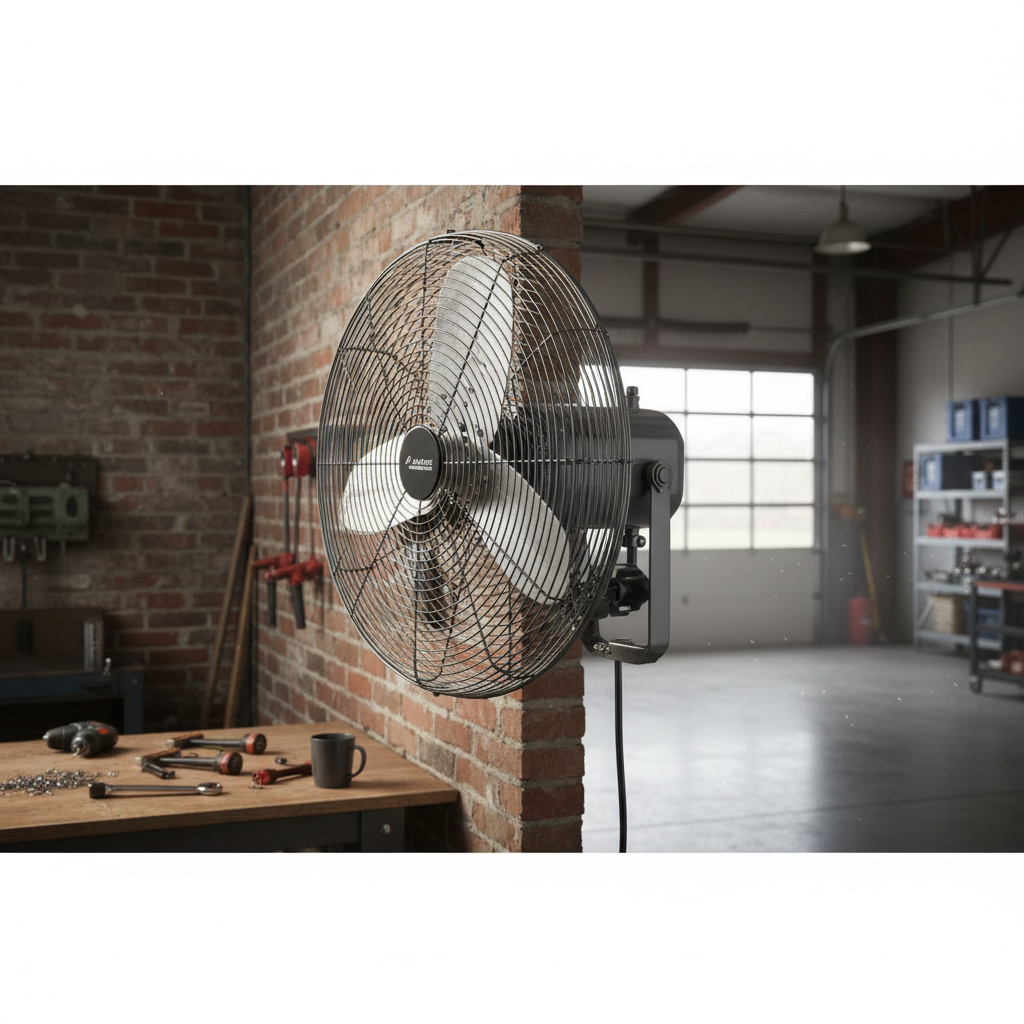
When it comes to choosing a fan, many people focus on brand, size, or features, overlooking a crucial component: the blade material. Yet, the choice between plastic and metal fan blades profoundly impacts a fan’s performance, durability, noise level, and even its energy consumption. Understanding these differences is key to selecting the optimal fan for your home or industrial space, ensuring you get the comfort and efficiency you truly need.
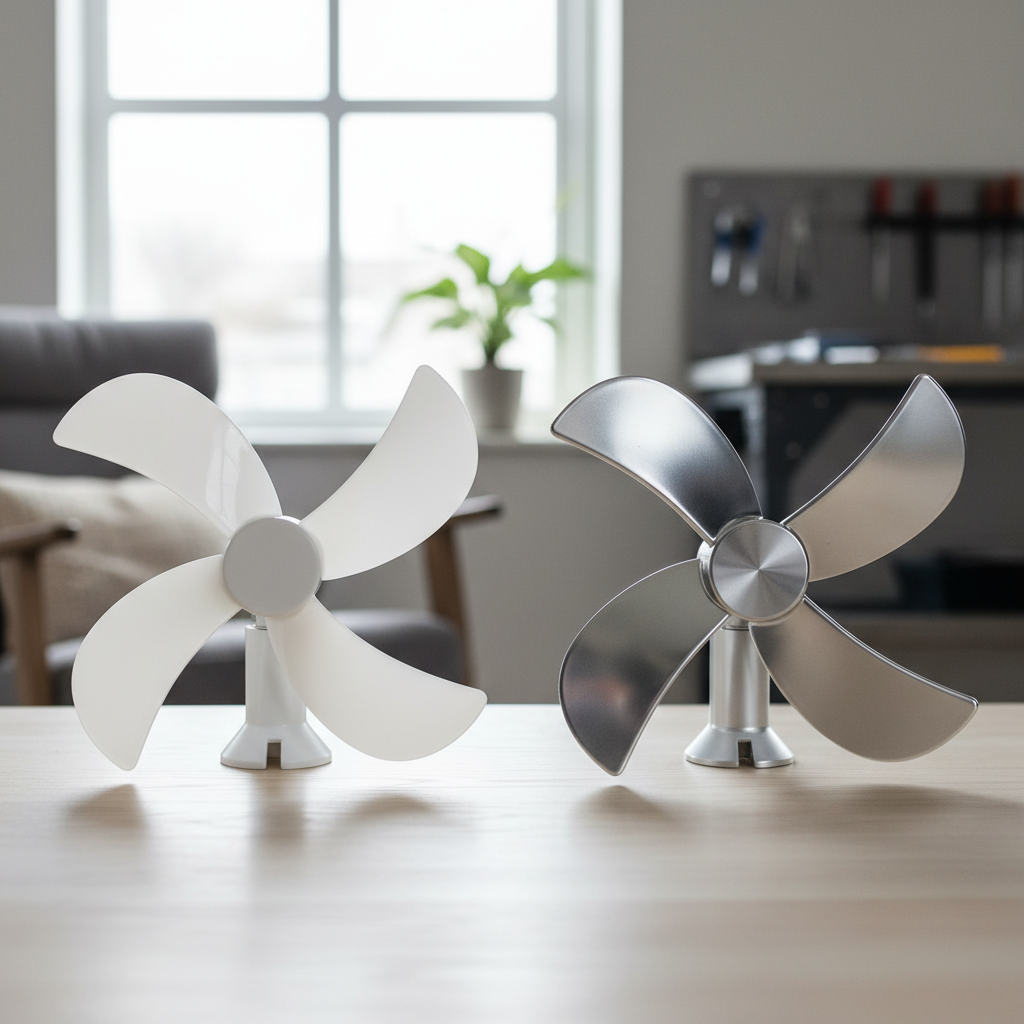
Understanding Fan Blade Materials: Plastic vs. Metal
The fundamental difference between plastic and metal fan blades lies in their inherent material properties, which dictate their behavior and performance. Plastic blades are typically crafted from lightweight polymers like ABS (Acrylonitrile Butadiene Styrene) or polypropylene, known for their flexibility and resistance to corrosion. Conversely, metal blades are usually manufactured from aluminum or coated steel, offering superior rigidity and mass. This distinction in material forms the basis for their varied characteristics, influencing everything from air movement to operational longevity.
Airflow and Cooling Efficiency: Power vs. Gentle Breeze
The primary function of any fan is to move air, and the material of its blades significantly determines how effectively it accomplishes this.
Metal Blades:
- Stronger Airflow: Metal blades, being heavier and more rigid, cut through the air with greater force, generating a robust and stable airflow. They are designed to move larger volumes of air over longer distances.
- Ideal for Large Spaces: This powerful performance makes metal blades excellent for cooling extensive areas, rooms with high ceilings, or industrial environments where maximum air circulation is paramount.
Plastic Blades:
- Softer Airflow: Lighter and more flexible, plastic blades produce a gentler, softer breeze. While they may not have the sheer power of metal, they are effective at distributing air evenly within a confined space.
- Suitable for Smaller Rooms: Plastic blades are often preferred for personal cooling, small to medium-sized rooms, or tower coolers where a less intense, more diffuse airflow is desired.
For quick reference, consider this comparison:
| Blade Type | Airflow Strength | Cooling Efficiency | Suitable For |
|---|---|---|---|
| Metal | High | Excellent for volume and distance | Large rooms, industrial, heavy-duty |
| Plastic | Moderate | Good for even distribution | Small to medium rooms, personal use |
Durability and Longevity: Built to Last or Flexible Resilience?
A fan’s lifespan and resistance to wear and tear are heavily influenced by its blade material.
Metal Blades:
- Superior Durability: Metal blades are renowned for their strength and resistance to physical damage. They can withstand constant, high-speed operation and challenging environmental conditions, including high temperatures.
- Long Lifespan: With proper maintenance, metal blades can last for many years, making them a reliable choice for long-term use. However, they require protective coatings (e.g., zinc, aluminum, silicon) to prevent rust and corrosion, especially in humid or outdoor settings.
Plastic Blades:
- Corrosion Resistance: Plastic blades are naturally resistant to rust and corrosion, making them well-suited for humid environments like bathrooms, kitchens, or coastal regions without the need for special coatings.
- Flexibility and Impact Resistance: While durable, they can be more prone to cracking or deforming under extreme stress or impact compared to metal. Some advanced plastics, like ABS, offer good resistance to cracks and breakage. Prolonged exposure to UV rays can also degrade untreated plastic over time.
Noise Levels and Operation: Quiet Comfort vs. Robust Performance
Noise is a significant factor, particularly for fans used in residential or office settings.
Plastic Blades:
- Quieter Operation: Due to their lighter weight and inherent flexibility, plastic blades tend to operate much more quietly. They produce less vibration and mechanical hum, making them an excellent choice for bedrooms, studies, or any area where noise disturbance is a concern.
- Reduced Motor Strain: The lighter load on the motor also contributes to smoother and quieter performance.
Metal Blades:
- Louder Operation: The rigidity and mass of metal blades can result in higher noise levels, especially at higher speeds. They are more prone to vibrations that can contribute to a noticeable hum or buzz. While design improvements can mitigate some noise, metal fans are generally louder than their plastic counterparts.
- Industrial Suitability: This characteristic often makes them less ideal for quiet home environments but perfectly acceptable for industrial or commercial settings where powerful airflow takes precedence over silent operation.
Energy Consumption and Motor Strain: Efficiency Matters
The material of the fan blades also plays a role in the fan’s energy efficiency and the longevity of its motor.
Plastic Blades:
- Lower Energy Consumption: Being lighter, plastic blades require less power to rotate. This reduces the strain on the fan motor, leading to lower electricity consumption over time.
- Prolonged Motor Life: Reduced motor strain translates to less wear and tear, potentially extending the motor’s lifespan.
Metal Blades:
- Higher Power Requirement: Heavier metal blades demand stronger motors to initiate and maintain their rotation, which can lead to higher power consumption.
- Balanced Efficiency: In large applications, however, metal blades can be highly energy-efficient as they move a greater volume of air per rotation, potentially balancing out the higher power demand if matched correctly with a robust motor.
Cost and Maintenance: Initial Investment vs. Long-Term Value
Budget and ongoing upkeep are practical considerations for any purchase.
Plastic Blades:
- More Affordable: Generally, fans with plastic blades have a lower initial purchase price, making them a budget-friendly option.
- Easy Maintenance: Plastic blades are simple to clean with mild soap and water and do not rust, requiring minimal ongoing maintenance. You simply wipe away dust and check for any signs of wear.
Metal Blades:
- Higher Upfront Cost: Fans equipped with metal blades typically come with a higher price tag due to the material cost and manufacturing processes.
- Specific Maintenance: While also easy to clean, metal blades may require occasional polishing to maintain their aesthetic. More critically, their protective coatings need to be intact to prevent rust or oxidation, especially in damp conditions.
Portability and Aesthetic Considerations
Beyond performance, the look and feel of a fan, and how easily it can be moved, are also important.
Plastic Blades:
- High Portability: The lightweight nature of plastic blades makes the entire fan unit lighter and much easier to move between rooms or reposition as needed.
- Design Versatility: ABS plastic is highly malleable, allowing manufacturers to create a wide variety of aerodynamic shapes, colors, and modern designs that can seamlessly integrate into contemporary interiors.
Metal Blades:
- Less Portable: The heavier weight of metal blades translates to a heavier fan overall, making these units less convenient to move frequently.
- Robust Aesthetic: Metal blades often contribute to a more traditional, industrial, or robust aesthetic, which can be appealing for certain decor styles or environments like garages and workshops.
Choosing the Right Fan Blade for Your Needs: Application Guide
The ultimate choice between plastic and metal fan blades hinges on your specific requirements and the environment where the fan will be used.
- For Quiet Operation and Home Comfort: If a peaceful environment is your priority, such as in bedrooms, nurseries, or home offices, plastic fan blades are typically the superior choice due to their quiet performance and energy efficiency. They are also excellent for personal coolers and smaller living spaces.
- For Powerful Airflow and Large Areas: When you need to cool vast spaces, high-ceilinged rooms, or require strong, direct airflow for industrial applications, metal fan blades are unmatched. Their durability and ability to move large volumes of air make them ideal for demanding conditions.
- For Humid or Outdoor Environments: Plastic blades naturally resist corrosion and rust, making them a reliable option for humid climates or covered outdoor areas where moisture is a concern. Metal blades can be used outdoors if they have robust, intact protective coatings.
- For Budget-Conscious Buyers: Plastic blade fans offer a more affordable entry point with good performance for everyday cooling needs and lower running costs due to reduced energy consumption.
“The perfect fan blade isn’t about one material being inherently ‘better,’ but about aligning its strengths with your specific environmental demands and personal preferences. It’s a balance of power, quietness, and longevity.” – ReviewKDP Admin, Lead Technician & Fan Expert
Conclusion
The decision between plastic and metal fan blades is more nuanced than a simple preference; it involves a thoughtful assessment of performance, durability, noise, energy use, and cost. Plastic blades shine in quiet, domestic settings, offering energy efficiency and corrosion resistance with a gentler breeze. Metal blades, conversely, are the workhorses, providing powerful airflow and exceptional durability for larger, more demanding, or industrial applications. By considering your room size, noise tolerance, climate, and overall budget, you can confidently select the fan blade material that delivers the optimal cooling solution for your space. What aspects of fan performance matter most to you?
Frequently Asked Questions
Are metal fan blades better for outdoor use?
|
Our Picks for the Best Pedestal fan in 2026
As an Amazon Associate I earn from qualifying purchases.
|
||
| Num | Product | Action |
|---|---|---|
| 1 | JRD Fan for Bedroom, 70° Oscillating Standing Fan, 100ft Quiet Pedestal Fans for Home Office, 85° Manual Vertical, Touch+Remote, 24H Timer,32 Wind Speeds, 39-43" Adjustable Height, Air Circulator |

|
| 2 | Lasko 2520 Oscillating Stand Fan,White 16 Inch |
|
| 3 | Lasko 2521 16 Inch 3-Speed Quiet Adjustable Tilting Wide-Area Oscillating Standing Pedestal Fan for Bedroom, Kitchen, Home, and Office, Black |
|
| 4 | Amazon Basics 16" Pedestal Fan with Remote for Bedroom, Living Room, Office, Adjustable Height, Dual-Layered Blades, 3 Speeds, 3 Modes, Timer, Tilt Head, 60W, Black |
|
| 5 | Lasko Oscillating Cyclone Pedestal Fan, Adjustable Height, Timer, Remote Control, 3 Speeds, for Bedroom, Living Room, Home Office, 18", Black, 1843 |
|
| 6 | DREO Fan for Bedroom, 2026 Upgraded, 90ft Airflow, 20dB Quiet Fan, 90° Oscillating Standing Fan for Whole Room, DC Motor, 8+H Speeds, 3 Modes, 38-42'' Adjustable Height, 8H Timer, 105° Manual Vertical |
|
| 7 | DREO Fan for Bedroom, 2026 Upgraded, 90ft Airflow, 20dB Quiet Fan, 90° Oscillating Standing Fan for Whole Room, DC Motor, 8+H Speeds, 3 Modes, 38-42'' Adjustable Height, 8H Timer, 105° Manual Vertical |
|
| 8 | DREO Fan for Bedroom, 2026 Upgraded, 90ft Airflow, 20dB Quiet Fan, 90° Oscillating Standing Fan for Whole Room, DC Motor, 8+H Speeds, 3 Modes, 38-42'' Adjustable Height, 8H Timer, 105° Manual Vertical |
|
| 9 | PELONIS 16 inch Pedestal Fan for Bedroom , Oscillating Fan, 3-Speeds, 90° Oscillation, Adjustable Height, Floor Fan, Standing Fan for Living Room, Kitchen, and Home office, Black |
|
| 10 | Lasko Pedestal Fan, Oscillating Fan for Bedroom with Adjustable Height and 3 Cooling Speeds, Portable, 18", Black, 1827 |
|
Metal fan blades can be suitable for outdoor use due to their durability and resistance to physical damage, but they require proper anti-corrosion coatings to prevent rust and degradation from elements like moisture. Plastic blades, especially those with UV stabilization, are also a good, rust-resistant option for covered outdoor areas.
Which fan blades are quieter, plastic or metal?
Plastic fan blades are generally much quieter than metal blades. Their lighter weight and greater flexibility result in less vibration and mechanical noise during operation, making them ideal for noise-sensitive environments like bedrooms or offices.
Do plastic fan blades save energy?
Yes, plastic fan blades typically save energy. Being lighter, they put less strain on the fan’s motor, requiring less power to rotate and leading to lower electricity consumption compared to heavier metal blades.
What type of plastic is commonly used for fan blades?
ABS (Acrylonitrile Butadiene Styrene) and polypropylene are the most common types of plastic used for fan blades. ABS is favored for its balance of durability, lightness, and moldability into aerodynamic shapes, while polypropylene is chemical-resistant and flexible.
Can metal fan blades rust?
Yes, metal fan blades, especially those made from steel, can rust if not properly treated or coated. Exposure to moisture and humidity without adequate protective finishes can lead to oxidation and corrosion over time. Aluminum blades are more resistant to rust but can still oxidize.