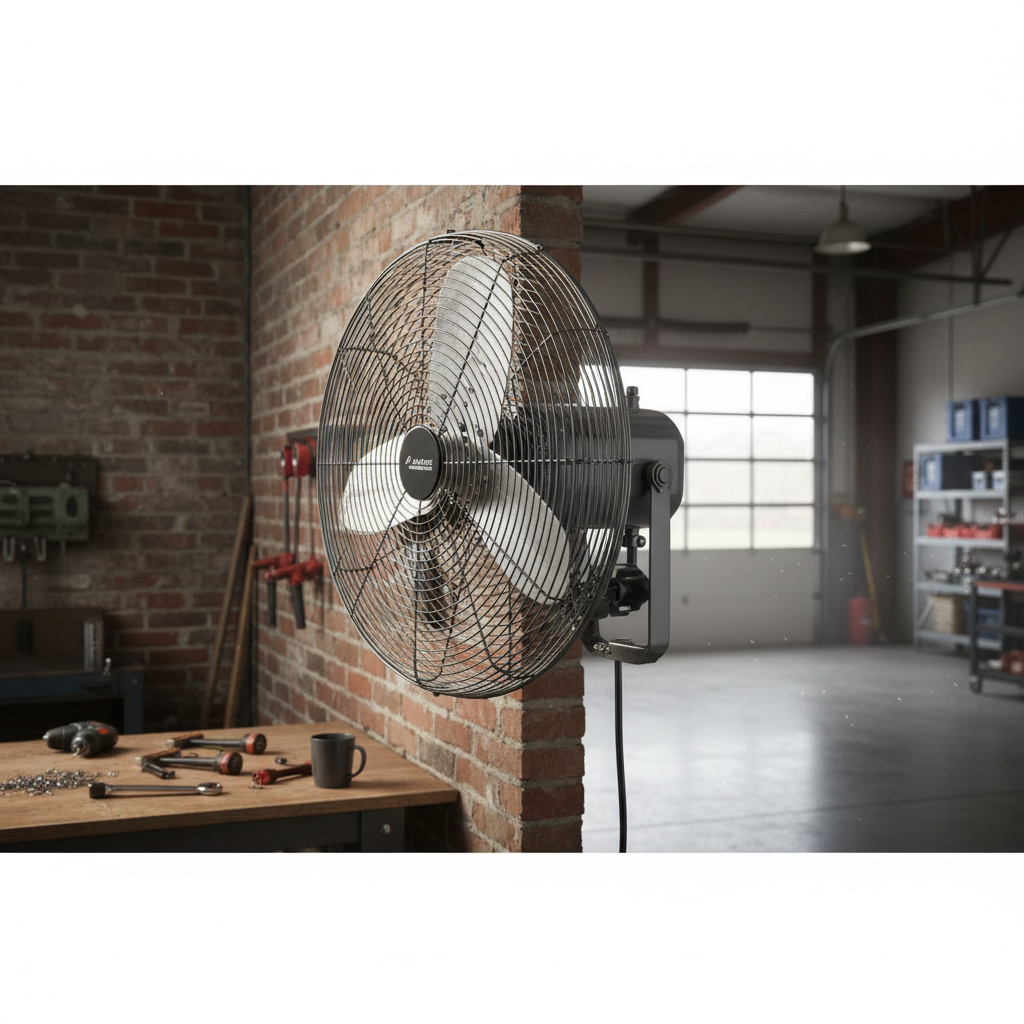
The gentle hum of a fan can be a comforting background noise, but often, it’s an irritating drone that disrupts sleep, concentration, or conversation. In the quest for optimal home comfort, understanding the technology behind your cooling appliance is crucial, especially when silence is golden. This guide delves into the fundamental differences between Direct Current (DC) and Alternating Current (AC) motor fans, focusing specifically on their noise levels, to help you make an informed choice for a truly peaceful living space.
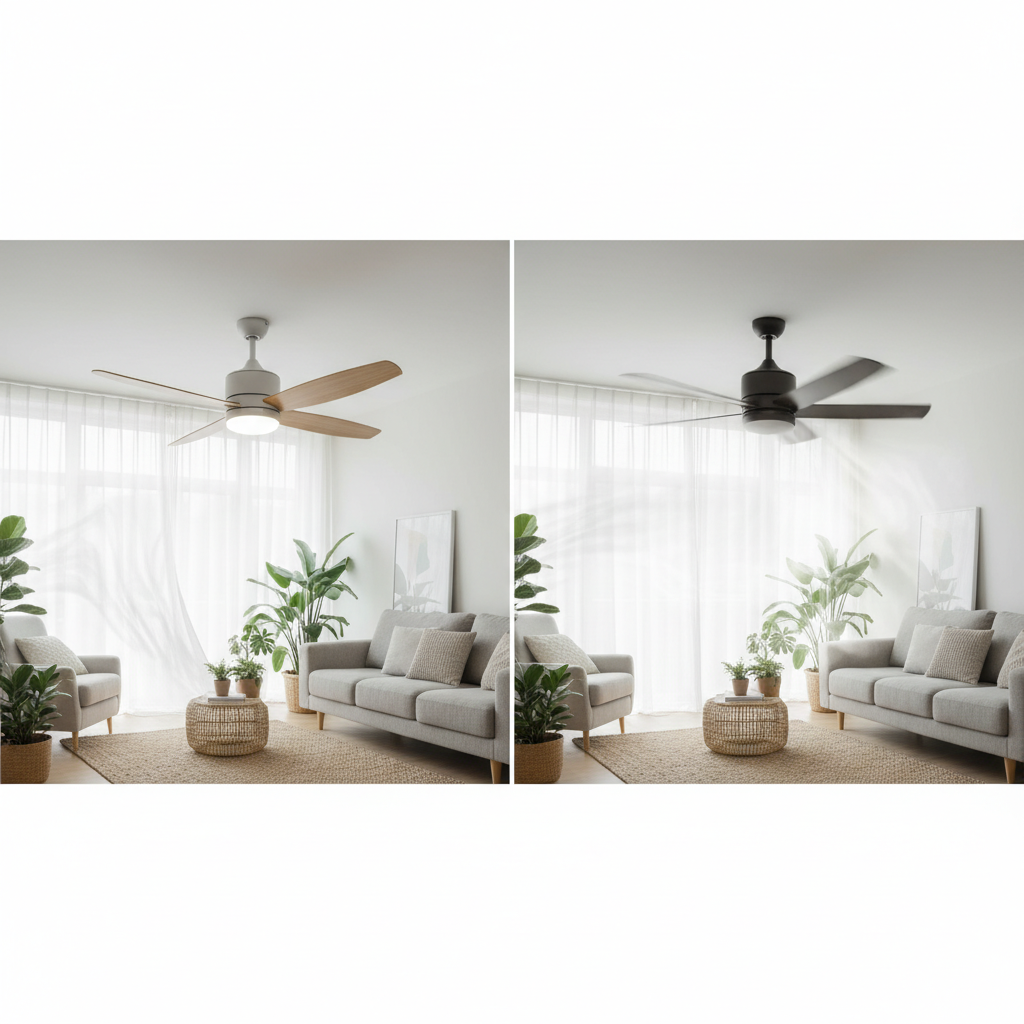
The market offers a bewildering array of fans, from simple desk models to sophisticated ceiling fixtures. While they all serve the primary purpose of moving air, how they achieve this—and how quietly—varies significantly depending on their motor type. The distinction between DC and AC motors is particularly important for anyone prioritizing a serene environment.
Understanding Fan Noise: The Silent Science
Before diving into motor types, it’s helpful to understand what contributes to fan noise. Essentially, fan noise originates from two main sources: the motor itself and the movement of air by the blades.
Motor noise typically manifests as a hum, buzz, or mechanical whirring, resulting from the internal operation and vibrations of the motor. Airflow noise, on the other hand, is generated by the blades cutting through the air, creating turbulence and whooshing sounds. While blade design and speed impact airflow noise across all fan types, motor design plays a critical role in the inherent quietness of the fan’s core operation.
AC Motor Fans: The Traditional Choice and Its Acoustic Challenges
For decades, AC (Alternating Current) motors have been the standard in cooling appliances. These motors draw power directly from your home’s electrical outlets, where the current regularly reverses direction.
AC motor fans are generally known for their robust construction and straightforward operation. They are often more affordable upfront and widely available, making them a popular choice for budget-conscious consumers or those with basic cooling needs. However, their traditional design inherently comes with certain acoustic drawbacks.
The alternating nature of the current in AC motors can create an electromagnetic hum, a persistent, low-frequency sound that many find disruptive. Furthermore, AC motors tend to generate more friction and vibrations during operation, which translates into audible noise. This makes AC fans less ideal for environments where quiet is paramount, such as bedrooms, nurseries, or home offices, where even a subtle hum can be a significant disturbance.
DC Motor Fans: The Whisper-Quiet Revolution
In contrast to their AC counterparts, DC (Direct Current) motor fans represent a significant leap forward in fan technology, particularly concerning quiet operation and energy efficiency. DC motors run on a direct current, which means the electricity flows in one constant direction. This seemingly simple difference results in a profound impact on performance and noise.
Many modern DC motors are brushless, eliminating the friction and sparking associated with traditional brush-based motors found in some AC designs. This brushless operation is a primary reason for their superior quietness. The direct and consistent flow of current also leads to smoother operation with fewer vibrations. This reduction in internal friction and vibration means DC fans operate with significantly less motor hum and mechanical noise. Some advanced DC fans can operate at noise levels as low as 20-25 decibels (dB), which is comparable to a soft whisper.
Beyond their remarkable quietness, DC motor fans offer a host of other advantages:
- Energy Efficiency: DC motors are celebrated for their exceptional energy efficiency, consuming up to 70% less electricity than equivalent AC models. This translates to substantial savings on your utility bills and a reduced environmental footprint.
- Precise Speed Control: DC fans typically offer a wider range of speed settings, often six or more, compared to the limited three settings found on most AC fans. This allows for far more granular control over airflow, enabling you to tailor the breeze to your exact comfort level.
- Advanced Features: Remote controls are standard with DC fans, often including features like timers, sleep modes, and even natural breeze simulations. Their compact motor design also allows for sleeker, more modern aesthetic options.
- Durability: With fewer moving parts prone to wear and tear, DC motors generally boast a longer lifespan and a lower failure rate, offering greater reliability over time.
Direct Comparison: DC vs. AC Fan Noise Levels
When the goal is silence, DC fans are the clear winner. The absence of an alternating current’s electromagnetic hum and the reduced mechanical friction of brushless designs contribute to a dramatically quieter experience. While AC fans can be a cost-effective choice for general cooling, their inherent noise profile makes them less suitable for spaces where tranquility is highly valued.
| Feature | AC Motor Fans | DC Motor Fans |
|---|---|---|
| Noise Level | Can be noisy, prone to humming and vibrations | Significantly quieter, often whisper-quiet |
| Motor Type | Standard AC motors | Advanced DC motors (often brushless) |
| Energy Efficiency | Lower efficiency, higher power consumption | Up to 70% more efficient, lower energy bills |
| Speed Settings | Typically 3-speed options | Multiple speed options (6+), precise control |
| Control | Pull chains, basic wall switches | Remote control standard, smart features common |
| Initial Cost | Generally more affordable | Higher upfront investment |
| Lifespan | Reliable, but can be shorter than DC | Often longer lifespan, lower failure rate |
| Ideal For | Garages, workshops, budget projects | Bedrooms, nurseries, offices, quiet living areas |
“For individuals sensitive to noise or those seeking a truly tranquil environment, the superior quietness of DC motor fans makes them an unparalleled choice. The reduction in humming sound can be as much as 80% compared to traditional AC models.”
Beyond the Motor: Other Factors for a Quiet Fan
While the motor type is paramount, other design elements also contribute to a fan’s overall quietness:
- Blade Design: Aerodynamically sculpted blades can move air more efficiently with less turbulence, reducing airflow noise. Look for fans with fewer, wider, or specially shaped blades.
- Build Quality and Materials: Higher quality fans, regardless of motor type, often use better bearings, more stable housings, and premium materials that absorb vibrations and minimize rattles. A sturdy, well-balanced fan is generally quieter.
- Installation: Proper installation can prevent wobbling and rattling, especially for ceiling fans. Ensure all components are securely fastened according to manufacturer instructions.
- Maintenance: Regular cleaning of blades and motor housing prevents dust buildup, which can unbalance blades and strain the motor, leading to increased noise.
Making Your Choice: When to Opt for Which
Deciding between a DC and AC motor fan ultimately comes down to your priorities, budget, and the specific application.
Choose a DC Motor Fan if:
- Silence is your top priority: For bedrooms, nurseries, home offices, or any space where peace and quiet are essential, a DC fan offers unmatched tranquility.
- Energy savings are important: The long-term savings on electricity bills can offset the higher initial cost.
- You desire precise control and advanced features: Enjoy a wider range of speed options, remote control convenience, and smart home integration.
- You appreciate modern aesthetics: DC motors often allow for sleeker, more compact fan designs.
Choose an AC Motor Fan if:
- You’re on a strict budget: AC fans are generally more affordable upfront.
- Noise is not a significant concern: For high-traffic areas, garages, or workshops where background noise is already present, an AC fan can provide adequate cooling.
- You prefer a simple, traditional fan: If you need basic cooling without complex features, an AC fan remains a reliable option.
Conclusion
The evolution of fan technology, particularly with the advent of DC motors, has transformed how we approach home cooling. For those seeking refuge from the incessant hum of traditional fans, DC motor fans offer a compelling solution. Their inherent quietness, combined with superior energy efficiency and advanced control options, makes them an investment in both comfort and tranquility. While AC fans still hold a place for their affordability and simplicity, if silence is a guiding principle in your home environment, the whisper-quiet performance of a DC motor fan is undoubtedly the optimal choice.
Are you ready to experience the profound difference a truly silent fan can make in your daily life?
Frequently Asked Questions
Are DC fans always completely silent?
|
Our Picks for the Best Pedestal fan in 2026
As an Amazon Associate I earn from qualifying purchases.
|
||
| Num | Product | Action |
|---|---|---|
| 1 | Lasko Oscillating Cyclone Pedestal Fan, Adjustable Height, Timer, Remote Control, 3 Speeds, for Bedroom, Living Room, Home Office, 18", Black, 1843 |

|
| 2 | DREO Fan for Bedroom, 2026 Upgraded, 90ft Airflow, 20dB Quiet Fan, 90° Oscillating Standing Fan for Whole Room, DC Motor, 8+H Speeds, 3 Modes, 38-42'' Adjustable Height, 8H Timer, 105° Manual Vertical |
|
| 3 | Lasko 2521 16 Inch 3-Speed Quiet Adjustable Tilting Wide-Area Oscillating Standing Pedestal Fan for Bedroom, Kitchen, Home, and Office, Black |
|
| 4 | DREO Fan for Bedroom, 2026 Upgraded, 90ft Airflow, 20dB Quiet Fan, 90° Oscillating Standing Fan for Whole Room, DC Motor, 8+H Speeds, 3 Modes, 38-42'' Adjustable Height, 8H Timer, 105° Manual Vertical |
|
| 5 | PELONIS 16 inch Pedestal Fan for Bedroom , Oscillating Fan, 3-Speeds, 90° Oscillation, Adjustable Height, Floor Fan, Standing Fan for Living Room, Kitchen, and Home office, Black |
|
| 6 | Amazon Basics 16" Pedestal Fan with Remote for Bedroom, Living Room, Office, Adjustable Height, Dual-Layered Blades, 3 Speeds, 3 Modes, Timer, Tilt Head, 60W, Black |
|
| 7 | JRD Fan for Bedroom, 70° Oscillating Standing Fan, 100ft Quiet Pedestal Fans for Home Office, 85° Manual Vertical, Touch+Remote, 24H Timer,32 Wind Speeds, 39-43" Adjustable Height, Air Circulator |
|
| 8 | Lasko Pedestal Fan, Oscillating Fan for Bedroom with Adjustable Height and 3 Cooling Speeds, Portable, 18", Black, 1827 |
|
| 9 | Lasko 2520 Oscillating Stand Fan,White 16 Inch |
|
| 10 | DREO Fan for Bedroom, 2026 Upgraded, 90ft Airflow, 20dB Quiet Fan, 90° Oscillating Standing Fan for Whole Room, DC Motor, 8+H Speeds, 3 Modes, 38-42'' Adjustable Height, 8H Timer, 105° Manual Vertical |
|
While DC fans are significantly quieter than AC fans, they are not entirely silent. Most of the remaining noise comes from the airflow generated by the blades, especially at higher speeds. However, the motor hum, which is often the most disruptive element in AC fans, is drastically reduced or eliminated in DC models.
Do DC fans cost more than AC fans?
Yes, DC fans typically have a higher upfront purchase price than comparable AC models. This is due to the more advanced motor technology and integrated electronics required for their operation. However, the long-term energy savings and enhanced comfort often justify the initial investment.
Can I replace an AC fan with a DC fan without special wiring?
In most cases, yes. DC ceiling fans are designed to use standard household AC wiring. They feature a built-in transformer or driver that converts the incoming AC power to DC for the motor. Installation is generally similar to that of an AC fan, though it’s always recommended to consult a qualified electrician.
What causes the humming noise in AC fans?
The humming noise in AC fans is primarily caused by the alternating current flowing through the motor. This fluctuating current can induce electromagnetic vibrations within the motor windings, leading to an audible hum. Additionally, friction from internal components and general motor vibrations contribute to the overall noise profile.