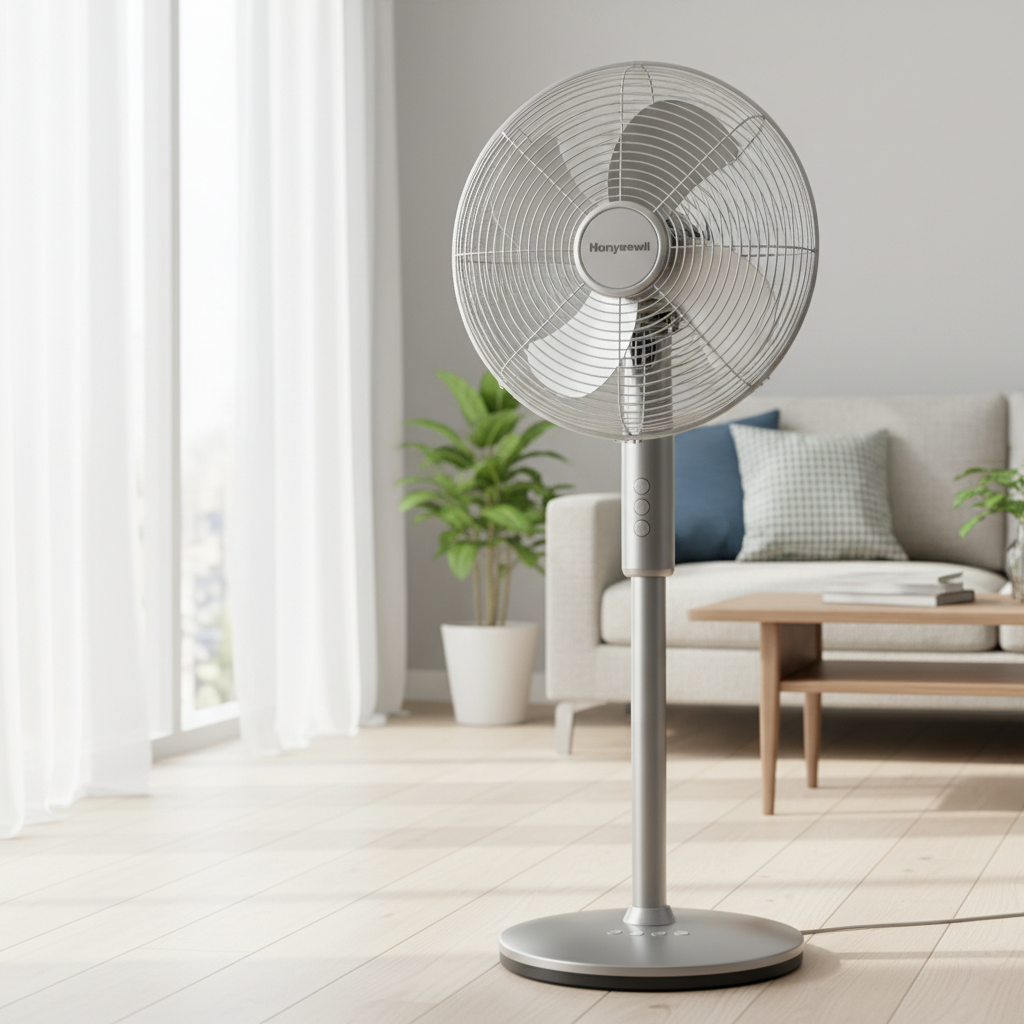
Is your trusty plastic fan looking a little worn, or does its outdated color clash with your refreshed decor? Instead of replacing it, why not give it a vibrant new lease on life with a fresh coat of paint? A simple DIY fan makeover is a cost-effective and fun way to transform a dull appliance into a stylish accent piece that perfectly complements your living space. With the right preparation and materials, you can achieve a professional-looking finish that will have guests wondering if you bought a brand new fan.
Why Give Your Plastic Fan a Makeover?
There are numerous benefits to rejuvenating your plastic fan with paint. Beyond saving money on a new purchase, painting allows for complete customization, making your fan a unique part of your home’s aesthetic. It’s an excellent way to practice sustainability by extending the life of an existing appliance and reducing waste. A personalized fan can elevate a room, adding a pop of color or a sophisticated touch that store-bought fans often lack. It’s also a deeply satisfying project that yields immediate, visible results, turning a functional object into a decorative statement.
Gather Your Materials: What You’ll Need
Before you dive into painting, ensure you have all the necessary tools and materials. Proper preparation is key to a smooth, durable finish.
- Screwdriver: For disassembling the fan.
- Sandpaper: Fine-grit (120-220) for light sanding.
- Mild Soap or Degreaser: To thoroughly clean the plastic surfaces.
- Clean Cloths: For wiping down and drying parts.
- Painter’s Tape: To mask off areas you don’t want painted.
- Drop Cloths or Newspapers: To protect your work surface from overspray.
- Respirator Mask and Gloves: For personal safety when working with spray paint.
- Spray Primer for Plastic: Essential for paint adhesion on plastic surfaces. Look for formulas specifically designed for plastic.
- Spray Paint for Plastic: Choose your desired color. Opt for an all-in-one paint + primer or an enamel spray paint for durable results.
- Clear Sealant (Optional): A clear topcoat (matte or glossy) can add an extra layer of protection and durability.
Step-by-Step Guide to Painting Your Plastic Fan
Transforming your plastic fan is a straightforward process that breaks down into several manageable steps. Follow these instructions carefully to achieve the best results.
Step 1: Disassembly (Safety First!)
|
Our Picks for the Best Pedestal fan in 2026
As an Amazon Associate I earn from qualifying purchases.
|
||
| Num | Product | Action |
|---|---|---|
| 1 | Lasko 2520 Oscillating Stand Fan,White 16 Inch |

|
| 2 | DREO Fan for Bedroom, 2026 Upgraded, 90ft Airflow, 20dB Quiet Fan, 90° Oscillating Standing Fan for Whole Room, DC Motor, 8+H Speeds, 3 Modes, 38-42'' Adjustable Height, 8H Timer, 105° Manual Vertical |
|
| 3 | DREO Fan for Bedroom, 2026 Upgraded, 90ft Airflow, 20dB Quiet Fan, 90° Oscillating Standing Fan for Whole Room, DC Motor, 8+H Speeds, 3 Modes, 38-42'' Adjustable Height, 8H Timer, 105° Manual Vertical |
|
| 4 | PELONIS 16 inch Pedestal Fan for Bedroom , Oscillating Fan, 3-Speeds, 90° Oscillation, Adjustable Height, Floor Fan, Standing Fan for Living Room, Kitchen, and Home office, Black |
|
| 5 | Lasko Oscillating Cyclone Pedestal Fan, Adjustable Height, Timer, Remote Control, 3 Speeds, for Bedroom, Living Room, Home Office, 18", Black, 1843 |
|
| 6 | Amazon Basics 16" Pedestal Fan with Remote for Bedroom, Living Room, Office, Adjustable Height, Dual-Layered Blades, 3 Speeds, 3 Modes, Timer, Tilt Head, 60W, Black |
|
| 7 | Lasko 2521 16 Inch 3-Speed Quiet Adjustable Tilting Wide-Area Oscillating Standing Pedestal Fan for Bedroom, Kitchen, Home, and Office, Black |
|
| 8 | DREO Fan for Bedroom, 2026 Upgraded, 90ft Airflow, 20dB Quiet Fan, 90° Oscillating Standing Fan for Whole Room, DC Motor, 8+H Speeds, 3 Modes, 38-42'' Adjustable Height, 8H Timer, 105° Manual Vertical |
|
| 9 | JRD Fan for Bedroom, 70° Oscillating Standing Fan, 100ft Quiet Pedestal Fans for Home Office, 85° Manual Vertical, Touch+Remote, 24H Timer,32 Wind Speeds, 39-43" Adjustable Height, Air Circulator |
|
| 10 | Lasko Pedestal Fan, Oscillating Fan for Bedroom with Adjustable Height and 3 Cooling Speeds, Portable, 18", Black, 1827 |
|
Always begin by ensuring the fan is unplugged from the power source. Safety is paramount when working with electrical appliances. Using a screwdriver, carefully disassemble the fan. This usually involves removing the front grill, then the fan blades, and finally, separating the motor housing and base components. The goal is to paint each plastic piece individually for an even finish and to prevent paint from getting onto internal electrical parts.
Step 2: Clean and Degrease
Once disassembled, thoroughly clean all the plastic parts. Dust, dirt, grease, and grime can prevent paint from adhering properly, leading to peeling or bubbling. Use a mild soap and water solution or a household degreaser to scrub all surfaces. Pay close attention to nooks and crannies. Rinse the parts thoroughly and allow them to air dry completely before moving on. Any moisture left behind can also cause paint adhesion issues.
Step 3: Sand for Adhesion
Lightly sand all the plastic surfaces you intend to paint with fine-grit sandpaper (120-220 grit). This step creates a slightly textured surface, giving the primer something to “grip” onto. You don’t need to aggressively strip off the existing finish, just scuff the surface enough to dull any sheen. Once sanded, wipe the parts down with a clean, damp cloth to remove any sanding dust, then let them dry completely.
Step 4: Masking (Protect What You Don’t Want Painted)
Carefully apply painter’s tape to any areas you want to protect from paint. This is crucial for components like the motor, internal wiring, control panel buttons, or specific parts of the grill that you wish to keep their original color or functionality. Take your time to ensure clean, crisp lines to avoid overspray in unwanted areas.
Step 5: Prime Time! (Crucial for Plastic)
Working in a well-ventilated area (preferably outdoors or in an open garage), arrange your fan parts on a drop cloth or newspaper. Shake your plastic-specific spray primer can vigorously for at least one minute. Apply thin, even coats of primer, holding the can about 8-12 inches from the surface. Sweeping motions are best to prevent drips. Apply multiple thin coats, allowing each coat to dry to the touch according to the manufacturer’s instructions before applying the next. Primer is essential for creating a strong bond between the plastic and your topcoat.
Step 6: Apply Your Chosen Color
Once the primer has fully dried and cured (check the can for specific times, often a few hours), it’s time for the fun part: applying your color! Shake your chosen spray paint can well. Just like with the primer, apply thin, even coats using sweeping motions. Overlap each pass slightly to ensure full coverage. It’s always better to apply several light coats than one heavy coat, which can lead to drips, runs, and an uneven finish. Allow adequate drying time between each coat. Patience during this stage will result in a much smoother and more professional appearance.
Step 7: Seal and Protect (Optional but Recommended)
For added durability and protection, especially for high-use fans or those in areas prone to moisture, consider applying a clear sealant. A clear topcoat can also adjust the final sheen, making your paint job matte or glossy. Ensure your color coats are completely dry and cured before applying the sealant, following the same thin, even-coat technique as the paint. This step helps protect against scratches and fading, prolonging your fan’s fresh look.
Step 8: Reassemble and Enjoy!
After all painted parts have fully dried and cured (this can take 24-48 hours or more, depending on paint type and humidity), carefully remove all painter’s tape. Reassemble your fan by reversing the disassembly steps. Double-check that all components are securely fastened and that no wires are pinched. Once reassembled, plug in your “new” fan and enjoy its revitalized appearance and refreshing breeze!
Tips for a Flawless Finish
Achieving a professional look isn’t just about following steps, but also about mastering a few key techniques:
- Work in a Well-Ventilated Area: Spray paints emit fumes; proper ventilation is crucial for safety and better paint adhesion.
- Thin Coats are Your Friend: This cannot be stressed enough. Multiple thin coats build up color evenly and minimize drips.
- Maintain Consistent Distance: Holding the spray can at a consistent distance (usually 8-12 inches) helps ensure uniform coverage.
- Read Paint Instructions: Always refer to the specific instructions on your primer and paint cans for optimal drying times and application tips.
- Patience with Drying and Curing: “Dry to the touch” doesn’t mean “ready for use.” Allow paints to fully cure for maximum hardness and durability.
Common Mistakes to Avoid
Even experienced DIYers can make errors. Be aware of these common pitfalls:
- Skipping Prep Work: Neglecting to clean, degrease, sand, or prime plastic surfaces is the quickest way to an unsatisfactory, short-lived paint job.
- Painting in Humid Conditions: High humidity can interfere with paint drying and curing, leading to a dull or uneven finish.
- Applying Thick Coats: This is the primary cause of drips, runs, and an unappealing texture.
- Not Allowing Adequate Drying Time: Rushing between coats or reassembling too soon can cause smudges, cracking, or soft paint.
- Painting Electrical Components: Never paint the motor, wires, or internal switches. This can be a fire hazard and damage the fan’s functionality.
Creative Fan Makeover Ideas
Beyond a single solid color, unleash your creativity to make your fan truly unique:
- Two-Tone Designs: Paint the blades one color and the housing another for a striking contrast.
- Stenciling: Use stencils to add patterns or motifs to the fan grill or blades (ensure patterns on blades are balanced to avoid wobbling).
- Metallic Finishes: Gold, silver, or bronze spray paints can add a touch of glamour.
- Matte vs. Glossy: Experiment with different sheen levels for a modern matte look or a classic glossy appeal.
Conclusion
Giving your plastic fan a painted makeover is a rewarding project that transforms a utilitarian item into a stylish statement piece. By carefully following the steps—disassembling, cleaning, sanding, priming, painting in thin layers, and patiently allowing for drying—you can achieve a durable and beautiful finish. This DIY approach not only saves money but also injects personalized charm into your home decor, demonstrating that even everyday appliances can be sources of creative expression. So, gather your supplies, choose your favorite color, and let your imagination take flight. What unique design will you create for your plastic fan?
Frequently Asked Questions
What kind of paint is best for plastic fans?
For plastic fans, spray paints specifically formulated for plastic are highly recommended. Look for products that state “adheres to plastic” or “for use on plastic.” Enamel spray paints or all-in-one paint+primer products are excellent choices for durability and adhesion.
Do I need to sand the fan before painting?
Yes, light sanding with fine-grit sandpaper (120-220 grit) is crucial. This creates a slightly rough surface that allows the primer and paint to adhere better, preventing peeling and ensuring a smoother, longer-lasting finish. Always clean off sanding dust afterward.
How long does the paint need to dry?
Drying times vary based on the specific paint product, humidity, and temperature. Generally, you’ll wait 15-30 minutes “dry to the touch” between thin coats. However, for the paint to fully cure and achieve maximum hardness, it can take 24-48 hours, or even longer for some sealants, before reassembling and using the fan.
Is it safe to paint the fan blades?
Yes, it is generally safe to paint plastic fan blades, provided you use appropriate paint designed for plastic and apply thin, even coats. Ensure the paint is fully cured to prevent tackiness. Avoid painting the motor or any electrical components. Ensure any custom designs on blades are balanced to prevent wobble.
Can I paint a metal fan with the same method?
While the general process of cleaning, sanding, priming, and painting is similar, metal fans require a primer specifically formulated for metal (often rust-inhibiting). The paint itself should also be suitable for metal surfaces, typically an enamel or oil-based spray paint, to ensure proper adhesion and durability.