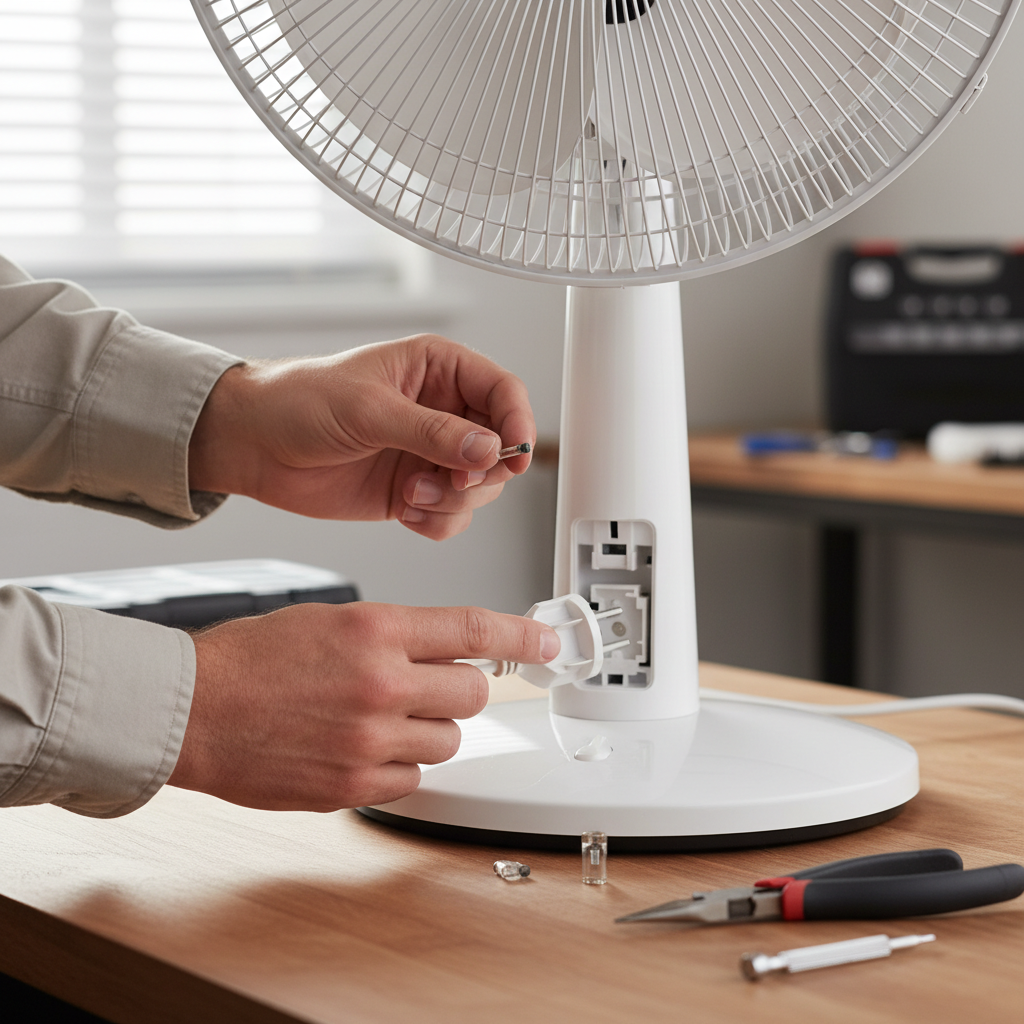
As technology advances and our homes fill with more gadgets, the question of what to do with old, broken electronics becomes increasingly pressing. A common household item often overlooked in this dilemma is the humble fan. Whether it’s a trusty pedestal fan that’s seen better days, a broken box fan, or a defunct ceiling fan, simply tossing it in the trash or your regular recycling bin isn’t the responsible solution. Understanding how to properly dispose of these items is crucial for environmental health and often a legal requirement.
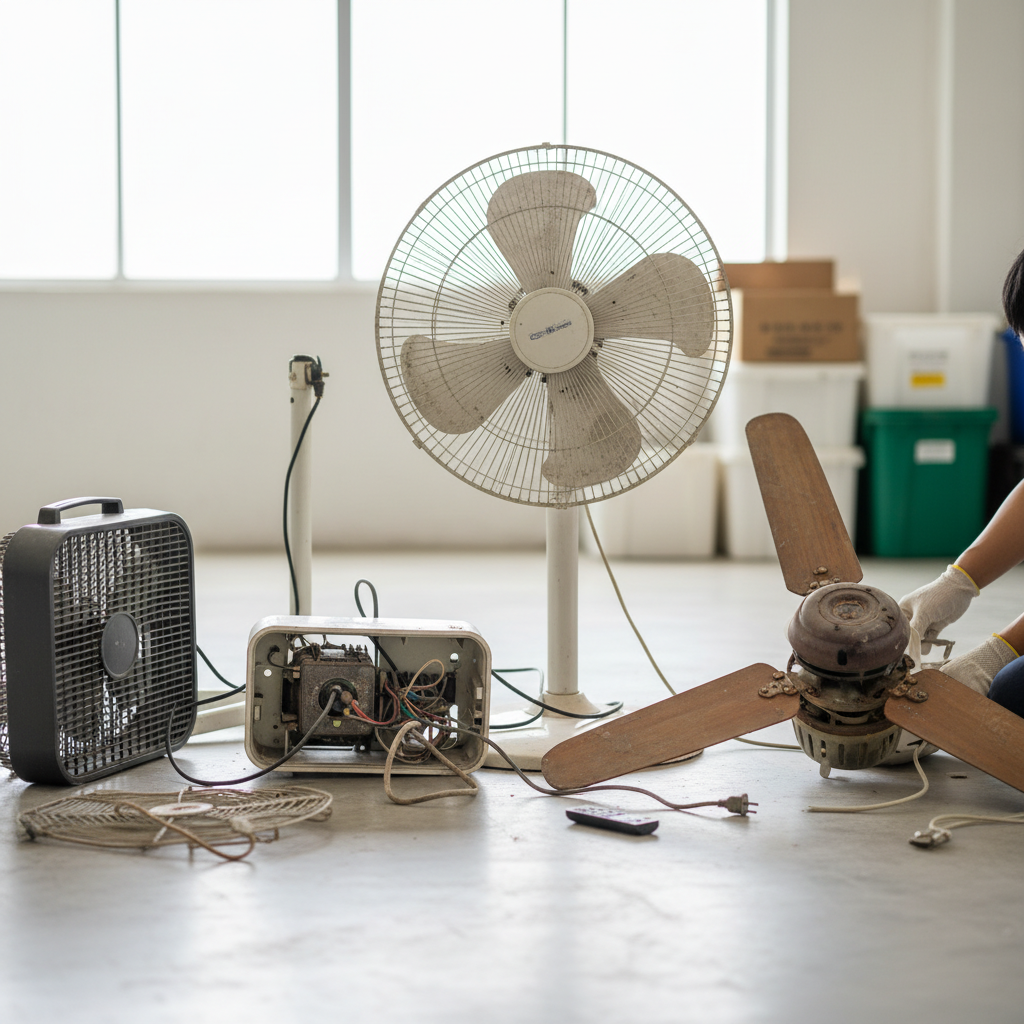
The journey of an old fan shouldn’t end in a landfill. Unlike everyday waste, fans are classified as e-waste, or electronic waste, due to their intricate internal components. Within that plastic housing lies a complex mix of materials: electric motors, copper wiring, circuit boards, and sometimes even capacitors. Many of these components, if improperly disposed of, can leach toxic metals and hazardous substances into the soil and groundwater, posing serious threats to ecosystems and human health. This makes proper e-waste recycling not just an environmental preference but a necessity, with many cities and regions implementing strict regulations against discarding electronics in general waste streams.
The “Three R’s” for Fans: Reduce, Reuse, Repair, and Recycle
Before considering recycling, it’s always wise to explore the broader principles of waste management: reduce, reuse, and repair. Applying these to your old fan can often be the most environmentally friendly choice.
Beyond the Bin: Donating and Repairing Working Fans
If your fan is still in good working condition, or perhaps only needs a minor fix, throwing it away would be a missed opportunity. Many organizations and initiatives can give your fan a second life.
- Donating: Charities such as The Salvation Army, Habitat for Humanity, or other local thrift stores often accept working small appliances. Giving your fan a new home through donation extends its lifespan and supports a good cause. It’s always a good idea to call ahead to confirm their acceptance policies.
- Repairing: Consider the possibility of repair. “Repair Cafes” are community-based initiatives where volunteers help individuals fix broken items, including small electronics like fans. There are also numerous online resources and video tutorials that can guide you through simple DIY repairs. This not only saves you money but also significantly reduces waste.
- Reselling or Freecycling: If the fan works but you simply no longer need it, platforms for reselling used goods or “freecycle” listservs can connect you with someone who might appreciate it. Alternatively, offering it for free to someone who can use it for parts can be a viable option.
|
Our Picks for the Best Pedestal fan in 2026
As an Amazon Associate I earn from qualifying purchases.
|
||
| Num | Product | Action |
|---|---|---|
| 1 | Lasko 2520 Oscillating Stand Fan,White 16 Inch |

|
| 2 | Lasko 2521 16 Inch 3-Speed Quiet Adjustable Tilting Wide-Area Oscillating Standing Pedestal Fan for Bedroom, Kitchen, Home, and Office, Black |
|
| 3 | Lasko Oscillating Cyclone Pedestal Fan, Adjustable Height, Timer, Remote Control, 3 Speeds, for Bedroom, Living Room, Home Office, 18", Black, 1843 |
|
| 4 | JRD Fan for Bedroom, 70° Oscillating Standing Fan, 100ft Quiet Pedestal Fans for Home Office, 85° Manual Vertical, Touch+Remote, 24H Timer,32 Wind Speeds, 39-43" Adjustable Height, Air Circulator |
|
| 5 | Lasko Pedestal Fan, Oscillating Fan for Bedroom with Adjustable Height and 3 Cooling Speeds, Portable, 18", Black, 1827 |
|
| 6 | PELONIS 16 inch Pedestal Fan for Bedroom , Oscillating Fan, 3-Speeds, 90° Oscillation, Adjustable Height, Floor Fan, Standing Fan for Living Room, Kitchen, and Home office, Black |
|
| 7 | DREO Fan for Bedroom, 2026 Upgraded, 90ft Airflow, 20dB Quiet Fan, 90° Oscillating Standing Fan for Whole Room, DC Motor, 8+H Speeds, 3 Modes, 38-42'' Adjustable Height, 8H Timer, 105° Manual Vertical |
|
| 8 | Amazon Basics 16" Pedestal Fan with Remote for Bedroom, Living Room, Office, Adjustable Height, Dual-Layered Blades, 3 Speeds, 3 Modes, Timer, Tilt Head, 60W, Black |
|
| 9 | DREO Fan for Bedroom, 2026 Upgraded, 90ft Airflow, 20dB Quiet Fan, 90° Oscillating Standing Fan for Whole Room, DC Motor, 8+H Speeds, 3 Modes, 38-42'' Adjustable Height, 8H Timer, 105° Manual Vertical |
|
| 10 | DREO Fan for Bedroom, 2026 Upgraded, 90ft Airflow, 20dB Quiet Fan, 90° Oscillating Standing Fan for Whole Room, DC Motor, 8+H Speeds, 3 Modes, 38-42'' Adjustable Height, 8H Timer, 105° Manual Vertical |
|
When to Recycle: Dealing with Broken or Unrepairable Fans
For fans that are genuinely broken beyond repair, or are no longer safe to operate, recycling is the next best step. It’s important to reiterate that these items do not belong in your curbside recycling bin. Traditional recycling facilities are not equipped to handle the complex materials found in e-waste, which requires specialized processing to safely extract valuable metals and dispose of hazardous components.
Where to Recycle Old Fans: Your Options for Responsible Disposal
Finding the right place to recycle your old fan ensures that it’s processed responsibly, minimizing environmental harm and recovering valuable resources.
Certified E-Waste Recyclers
The most direct and reliable route for fan recycling is through certified e-waste recyclers. These facilities specialize in dismantling electronic devices, separating materials like plastics, metals (copper, steel, aluminum), and hazardous components. They ensure that toxic elements are handled safely and valuable resources are returned to the manufacturing stream. A quick online search for “e-waste recycling near me” or “electronics recycling drop-off” will typically yield local options.
Municipal Drop-Off Programs and Local Recycling Centers
Many local governments and municipalities offer specific programs for e-waste disposal. These often include dedicated drop-off points or scheduled collection events throughout the year. Checking your city or county’s waste management website is the best way to find details on local e-waste services, including what types of electronics they accept and any associated fees. Some larger landfills or transfer stations may also have designated areas for small appliances and electronics.
Retailer Take-Back Programs
Certain electronics retailers offer in-store recycling services for old appliances and electronics, sometimes even for free. Larger chains, for instance, might accept smaller items or offer take-back services when you purchase a new, similar appliance. It’s advisable to check with major electronics stores in your area about their recycling policies. Remember to inquire about any specific conditions or limitations they might have.
Manufacturer Recycling Initiatives
Some manufacturers, particularly those committed to sustainability, offer take-back or recycling programs for their own products. While less common for smaller appliances like fans, it’s worth checking the manufacturer’s website to see if they have any such initiatives.
Preparing Your Fan for Recycling
While professional recyclers handle the heavy lifting, a few general considerations can help ensure a smooth recycling process:
- Check Local Guidelines: Always consult with your chosen recycling facility or municipal program for any specific preparation requirements. Some may ask for certain components to be removed, while others prefer the item intact.
- Safety First: If the fan has sharp or broken plastic pieces, ensure it’s packaged safely to prevent injury during transport and handling.
Conclusion
The responsible disposal of old, broken fans is a simple yet impactful step we can all take towards a more sustainable future. By understanding that fans are e-waste and exploring options beyond the trash can, we contribute to reducing landfill waste, preventing environmental pollution from hazardous materials, and conserving valuable resources. Whether you choose to donate a working fan, seek a repair, or take a broken one to a certified e-waste facility, your actions make a difference. Let’s ensure our cooling companions are retired in a way that’s cool for the planet.
What steps will you take to responsibly retire your old fan?
Frequently Asked Questions
Can I put a broken fan in my regular recycling bin?
No, broken fans should not be placed in your regular curbside recycling bin. Fans are considered e-waste and contain complex components and potentially hazardous materials that require specialized processing.
What materials in a fan are recyclable?
Fans typically contain a mix of materials such as plastic, various metals (like copper from the motor and wiring, steel, aluminum), and circuit boards. All these components can be separated and recycled by certified e-waste processors.
Are there any fees for recycling fans?
While many municipal drop-off points and retailer take-back programs offer free e-waste recycling, some private certified e-waste recyclers may charge a small fee to cover the costs of processing and safe disposal. It’s best to confirm this with the specific facility you plan to use.
What should I do if my fan still works?
If your fan is still in working condition, consider donating it to a local charity, selling it online, or offering it through a “freecycle” community. Giving it a second life is often the most environmentally friendly option before considering recycling.