In the quest for comfortable indoor environments, simply owning a fan is often not enough. As we move further into 2026, understanding the intricate science behind airflow and mastering strategic fan placement has become paramount, not just for personal comfort but also for energy efficiency and the longevity of our technology. The subtle art of positioning a fan correctly can transform a stuffy room into a refreshing oasis, cool down overworked electronics, and even significantly trim your utility bills. It’s about orchestrating air movement to work with, not against, natural thermal dynamics, creating an intelligent and sustainable approach to cooling and ventilation.
The Science of Airflow: Beyond Just a Breeze
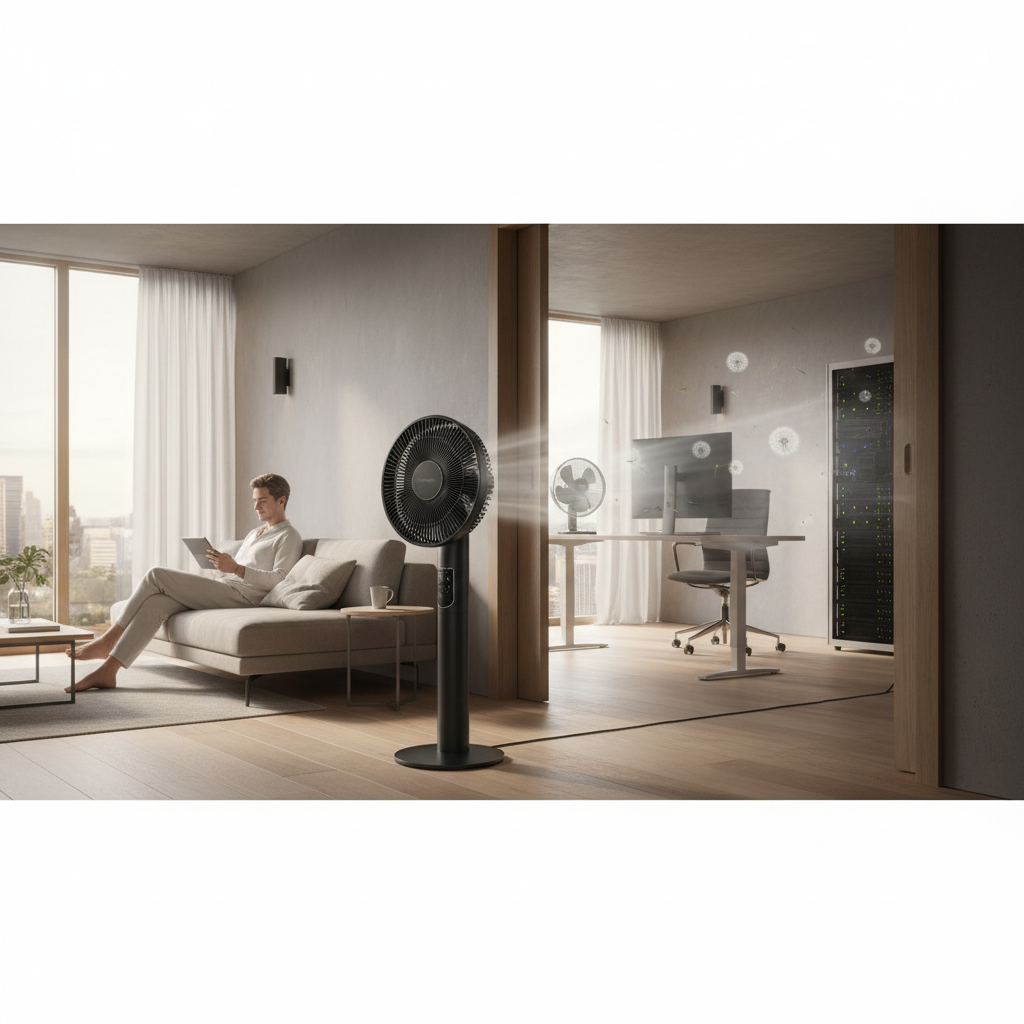
Effective fan placement begins with a fundamental understanding of how air behaves. The principles of natural convection are key: warm air naturally rises, while cooler, denser air sinks. A well-placed fan capitalizes on this phenomenon, directing cool air where it’s needed and expelling warm, stagnant air. This natural movement forms the basis of efficient air circulation.
Crucially, fans create air pressure differentials. Intake fans draw cool air into a space, building positive pressure, while exhaust fans push hot air out, creating negative pressure. A balanced system, where intake and exhaust are carefully managed, ensures continuous air exchange and prevents the buildup of hot air pockets. Imbalances can lead to inefficient cooling, as air struggles to flow freely.
Furthermore, physical obstructions play a significant role in airflow dynamics. Furniture, walls, shelving, and even internal components within a PC can impede air pathways. Placing a fan directly against an obstacle or in a corner where its airflow is immediately blocked severely diminishes its effectiveness. Strategic placement considers these barriers, utilizing them to channel air or positioning fans to circumvent them entirely, ensuring an unobstructed path for maximum air movement.
Strategic Fan Placement for Every Space
Optimizing fan placement requires tailoring the strategy to the specific environment, whether it’s a cozy living room, a sprawling warehouse, or a high-performance computer.
Residential Spaces
In homes, thoughtful fan placement can dramatically improve comfort and reduce reliance on air conditioning.
- Portable and Floor Fans: These versatile fans are best placed low to the ground to capture cooler air. Directing them toward occupied areas provides a direct evaporative cooling effect, making individuals feel cooler even if the room temperature doesn’t drop significantly. Placing a box fan in a window, facing outward, can expel hot indoor air, while one facing inward draws in cooler outside air, facilitating cross-ventilation.
- Ceiling Fans: For ceiling fans, height is crucial. They should be installed at least 10-12 feet above the floor to ensure uniform airflow across a wide area. In summer, blades should rotate counter-clockwise to push air down, creating a cooling breeze. In winter, a slow clockwise rotation gently pulls warm air up and circulates it, redistributing heat without creating a draft.
- Using Furniture to Channel Airflow: Large pieces of furniture, like sofas, can be surprisingly effective in directing airflow. Placing a fan at one end of a sofa arrangement can create a “cool corridor,” channeling air toward seating areas and preventing it from dissipating aimlessly across the room.
- Leveraging Multiple Fans: For larger rooms, a single fan often isn’t enough. Using two or more fans can create a robust cross-breeze, or one fan can draw in cool air while another expels warm air, creating a powerful air exchange system.
|
Our Picks for the Best Pedestal fan in 2026
As an Amazon Associate I earn from qualifying purchases.
|
||
| Num | Product | Action |
|---|---|---|
| 1 | JRD Fan for Bedroom, 70° Oscillating Standing Fan, 100ft Quiet Pedestal Fans for Home Office, 85° Manual Vertical, Touch+Remote, 24H Timer,32 Wind Speeds, 39-43" Adjustable Height, Air Circulator |

|
| 2 | DREO Fan for Bedroom, 2026 Upgraded, 90ft Airflow, 20dB Quiet Fan, 90° Oscillating Standing Fan for Whole Room, DC Motor, 8+H Speeds, 3 Modes, 38-42'' Adjustable Height, 8H Timer, 105° Manual Vertical |
|
| 3 | DREO Fan for Bedroom, 2026 Upgraded, 90ft Airflow, 20dB Quiet Fan, 90° Oscillating Standing Fan for Whole Room, DC Motor, 8+H Speeds, 3 Modes, 38-42'' Adjustable Height, 8H Timer, 105° Manual Vertical |
|
| 4 | DREO Fan for Bedroom, 2026 Upgraded, 90ft Airflow, 20dB Quiet Fan, 90° Oscillating Standing Fan for Whole Room, DC Motor, 8+H Speeds, 3 Modes, 38-42'' Adjustable Height, 8H Timer, 105° Manual Vertical |
|
| 5 | PELONIS 16 inch Pedestal Fan for Bedroom , Oscillating Fan, 3-Speeds, 90° Oscillation, Adjustable Height, Floor Fan, Standing Fan for Living Room, Kitchen, and Home office, Black |
|
| 6 | Lasko Oscillating Cyclone Pedestal Fan, Adjustable Height, Timer, Remote Control, 3 Speeds, for Bedroom, Living Room, Home Office, 18", Black, 1843 |
|
| 7 | Lasko 2520 Oscillating Stand Fan,White 16 Inch |
|
| 8 | Lasko Pedestal Fan, Oscillating Fan for Bedroom with Adjustable Height and 3 Cooling Speeds, Portable, 18", Black, 1827 |
|
| 9 | Amazon Basics 16" Pedestal Fan with Remote for Bedroom, Living Room, Office, Adjustable Height, Dual-Layered Blades, 3 Speeds, 3 Modes, Timer, Tilt Head, 60W, Black |
|
| 10 | Lasko 2521 16 Inch 3-Speed Quiet Adjustable Tilting Wide-Area Oscillating Standing Pedestal Fan for Bedroom, Kitchen, Home, and Office, Black |
|
Commercial & Industrial Environments
Large-scale spaces like warehouses, factories, and commercial buildings have unique airflow challenges.
- High-Volume, Low-Speed (HVLS) Fans: These massive ceiling fans are ideal for vast areas. Installed overhead, they circulate an immense volume of air gently, creating a consistent airflow across the entire floor. This not only enhances comfort but also significantly improves energy efficiency by reducing the strain on HVAC systems.
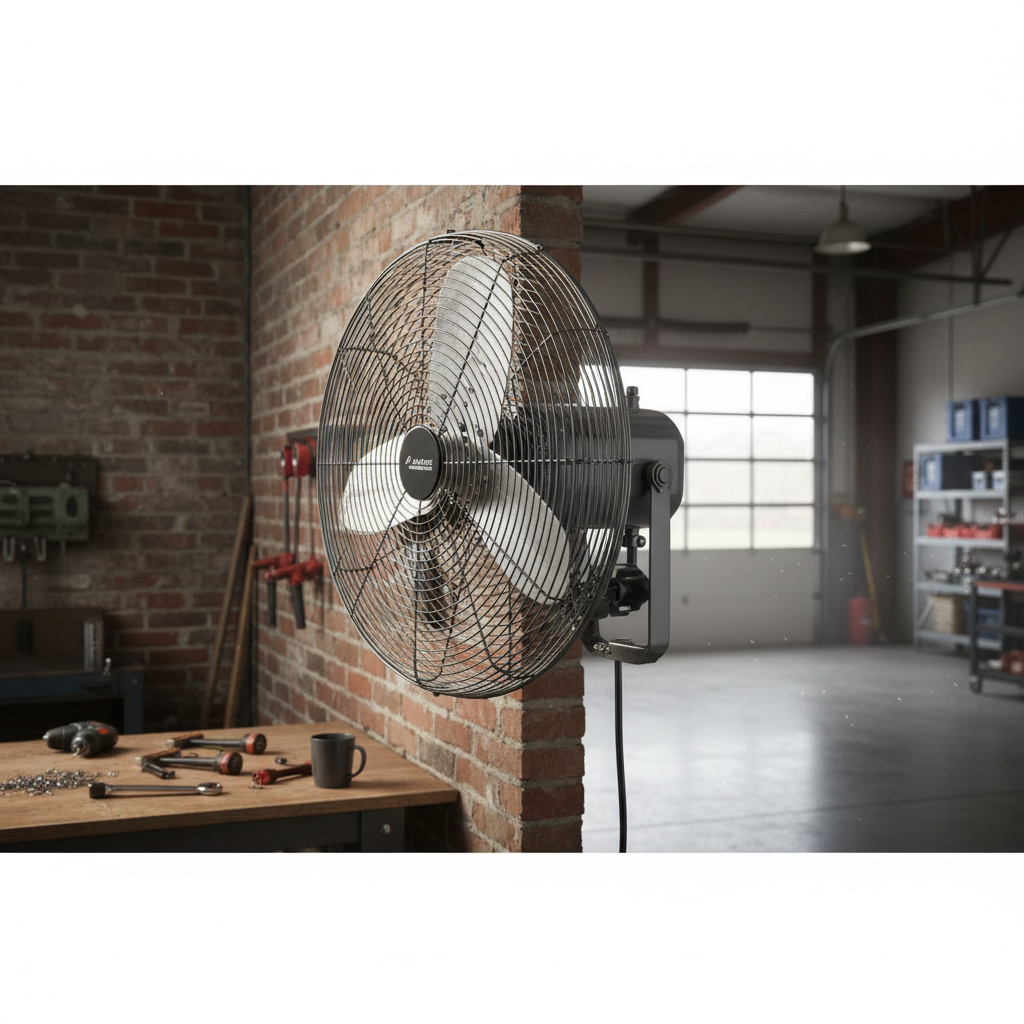
- Wall-Mounted Fans: Wall-mounted fans are effective for targeted cooling in specific work zones or to overcome obstructions. They should be mounted 7-8 feet above the floor and angled downward to direct air into the occupied space. Even spacing ensures comprehensive air circulation.
- Exhaust Fans: Crucial for removing heat, fumes, and contaminants, exhaust fans should be positioned near sources of pollution or at higher points where hot air naturally accumulates. Installing them near vents or windows facilitates efficient air exchange with the outside.
- Addressing Obstructions: In industrial settings, rows of shelving or machinery can create significant airflow blockages. Strategic fan placement must account for these, positioning fans to push air through aisles or above obstructions to ensure complete coverage.
PC & Equipment Cooling
For sensitive electronics, precise fan placement is not just about comfort, but about preventing costly damage and ensuring optimal performance.
- Intake and Exhaust Configuration: The golden rule for PC cases is “front and bottom intake, rear and top exhaust.” Cool air enters from the front and bottom, flows over heat-generating components like the CPU and GPU, and then hot air is expelled from the rear and top, following the natural rise of heat.
- Understanding Fan Direction: Most PC fans have arrows indicating airflow direction. In 2026, the rise of “reverse-blade” fans offers aesthetic advantages, allowing for optimal airflow orientation without exposing the less visually appealing side of the fan in modern, open-frame cases.
- Balancing Pressure: Maintaining balanced internal pressure (or slightly positive pressure) helps prevent dust buildup and ensures cool air reaches all critical components. An imbalance can lead to hot spots or inefficient cooling.
Common Fan Placement Mistakes to Avoid
Even with the best intentions, common errors can negate the benefits of fan usage:
- Blocking Airflow Paths: Placing a fan directly behind a large piece of furniture or against a wall prevents it from drawing in or expelling air effectively. Ensure there’s adequate clearance for air to move.
- Incorrect Intake/Exhaust Orientation: Failing to understand which way a fan blows (or mismatching intake and exhaust in a confined space like a PC) can lead to air fighting itself or simply recirculating hot air.
- Fans Working Against Each Other: In multi-fan setups, ensure fans are not positioned to create opposing air currents in the same zone, which can create turbulence and reduce overall efficiency.
- Ignoring Natural Air Currents: Going against the natural rise of hot air or the flow of a prevailing breeze can make fans less effective. Always consider how natural forces influence air movement.
Optimizing for Energy Efficiency and Modern Living in 2026
The importance of fan placement extends beyond immediate cooling; it’s a cornerstone of energy-conscious living in 2026.
By effectively circulating air, well-placed fans can significantly reduce the workload on more energy-intensive air conditioning systems, leading to substantial energy savings. Automating fan usage with timers or integrating them into smart home systems allows for optimized operation, turning fans on only when necessary or when cooler outside air can be drawn in. Combining different fan types—a ceiling fan for general circulation, a floor fan for direct cooling, and a window fan for ventilation—creates a synergistic effect that maximizes comfort with minimal energy expenditure. In 2026, continuously monitoring environmental temperatures with smart sensors further refines these strategies, allowing for dynamic adjustments that maintain ideal conditions while conserving power.
Conclusion
In an era where both comfort and sustainability are prioritized, the strategic placement of fans is no longer a trivial matter but a critical component of intelligent environmental control. From the micro-scale of a PC case to the vast expanses of an industrial facility, understanding airflow dynamics and applying thoughtful placement strategies can profoundly impact efficiency, comfort, and energy consumption. As we navigate 2026 and beyond, mastering these techniques empowers us to create cooler, more comfortable, and more energy-efficient spaces with the simple yet powerful tool of a fan. Are you ready to rethink your fan placement and unlock the full potential of efficient airflow in your environment?
Frequently Asked Questions
Do fans actually cool a room?
No, fans do not lower the ambient temperature of a room. Instead, they cool people by creating a wind-chill effect. The moving air accelerates the evaporation of moisture from your skin, which transfers heat away from your body, making you feel cooler. This evaporative cooling is effective when temperatures are below 95°F and humidity isn’t excessively high.
Should I point a fan at an open window?
It depends on the outside temperature. If the air outside is cooler than inside, pointing a fan inward from an open window can draw in fresh, cool air. Conversely, if it’s hotter inside than out, pointing the fan outward helps to exhaust hot air, creating a cooling cross-breeze, especially when combined with another fan drawing air in from a cooler side of the house.
Is it better to have one large fan or multiple smaller fans?
For larger spaces, multiple smaller fans, strategically placed, can often be more effective than a single large fan. This allows for more comprehensive coverage, better distribution of airflow, and the creation of targeted air currents or cross-ventilation, eliminating stagnant air pockets that a single fan might miss.
How can I tell which way a fan blows?
Most modern fans, especially PC case fans, have small arrows on their housing indicating the direction of both airflow and blade rotation. If no arrows are present, you can typically feel the stronger breeze on the exhaust side. For PC fans, the side with the manufacturer’s logo usually indicates the intake side.
What is positive vs. negative air pressure in a room?
Positive air pressure means more air is being pushed into a space than is being pulled out, creating outward airflow. Negative air pressure means more air is being pulled out than is being pushed in, causing inward airflow. In homes, balanced or slightly positive pressure is generally preferred to prevent unfiltered outside air and dust from being drawn in.