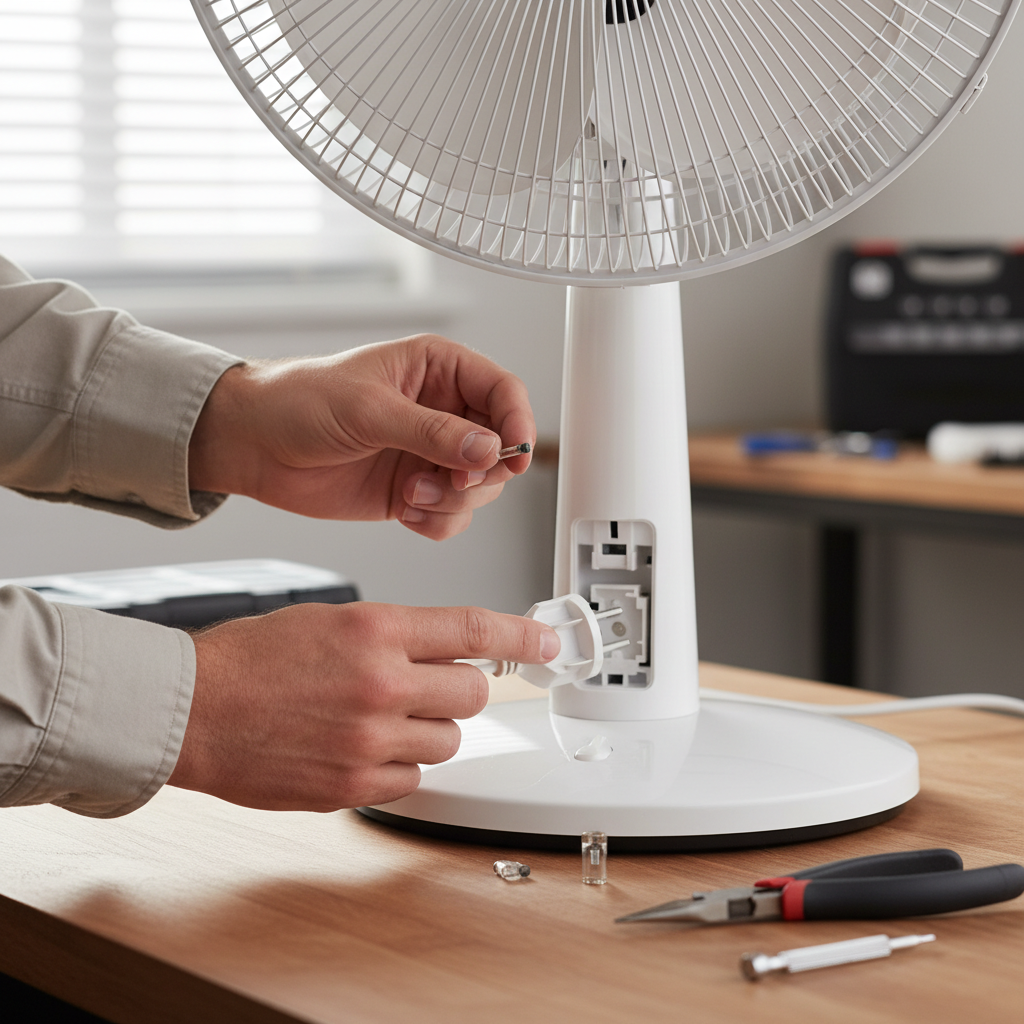
That unmistakable odor of burning plastic can instantly trigger alarm, especially when it emanates from an appliance as common as a fan. It’s a smell no homeowner wants to encounter, signaling potential trouble that ranges from minor fixes to serious safety concerns. This guide, informed by years of experience with various cooling devices, aims to shed light on why your fan might be emitting this unsettling scent, the risks involved, and the essential steps you should take to ensure your home remains safe and comfortable.
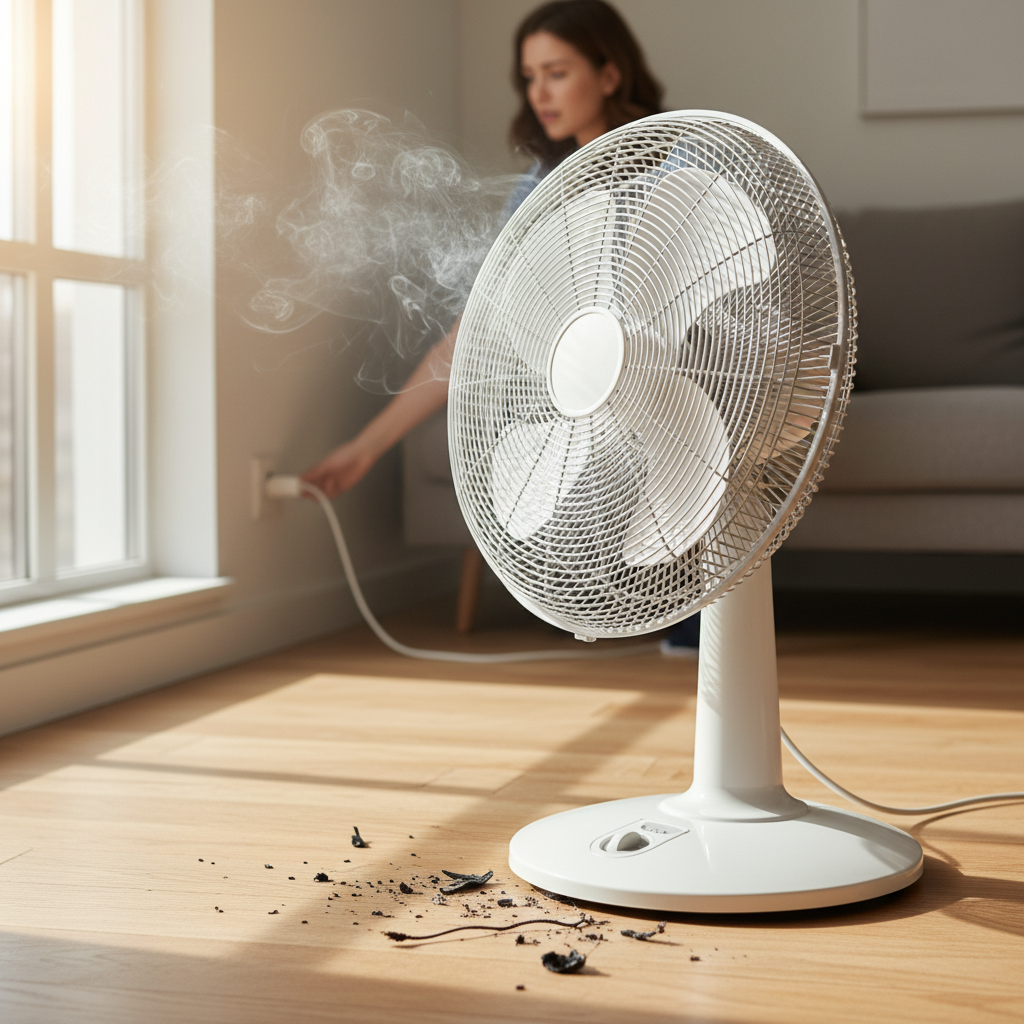
Why Does Your Fan Smell Like Burning Plastic? Understanding the Root Causes
When your fan starts to smell like burning plastic, it’s a clear indication that something is overheating. Identifying the exact cause is the first step towards resolving the issue, but remember, immediate action is paramount.
Overheating Motor: The Core of the Problem
The motor is the heart of any fan, and when it overheats, it often produces a burning smell. Several factors can lead to motor overheating:
- Dust Buildup: Over time, dust and debris accumulate within the motor housing and on the moving parts. This buildup acts as an insulator, trapping heat and forcing the motor to work harder, leading to overheating. This dirt can also get into bearings, slowing the motor down and causing windings to heat up.
- Worn Bearings or Lack of Lubrication: Bearings reduce friction, allowing the fan blades to spin smoothly. If these bearings wear out or lack proper lubrication, they create increased friction and heat, which can cause surrounding plastic components or electrical insulation to burn.
- Old Age or Faulty Components: Like all mechanical and electrical devices, fan motors have a lifespan. As a motor ages, its internal components can degrade, leading to inefficiencies and overheating. A faulty start capacitor, for instance, can cause the motor to struggle and overheat, emitting a distinct burning odor.
|
Our Picks for the Best Pedestal fan in 2026
As an Amazon Associate I earn from qualifying purchases.
|
||
| Num | Product | Action |
|---|---|---|
| 1 | Lasko 2520 Oscillating Stand Fan,White 16 Inch |

|
| 2 | Lasko Pedestal Fan, Oscillating Fan for Bedroom with Adjustable Height and 3 Cooling Speeds, Portable, 18", Black, 1827 |
|
| 3 | PELONIS 16 inch Pedestal Fan for Bedroom , Oscillating Fan, 3-Speeds, 90° Oscillation, Adjustable Height, Floor Fan, Standing Fan for Living Room, Kitchen, and Home office, Black |
|
| 4 | Amazon Basics 16" Pedestal Fan with Remote for Bedroom, Living Room, Office, Adjustable Height, Dual-Layered Blades, 3 Speeds, 3 Modes, Timer, Tilt Head, 60W, Black |
|
| 5 | DREO Fan for Bedroom, 2026 Upgraded, 90ft Airflow, 20dB Quiet Fan, 90° Oscillating Standing Fan for Whole Room, DC Motor, 8+H Speeds, 3 Modes, 38-42'' Adjustable Height, 8H Timer, 105° Manual Vertical |
|
| 6 | DREO Fan for Bedroom, 2026 Upgraded, 90ft Airflow, 20dB Quiet Fan, 90° Oscillating Standing Fan for Whole Room, DC Motor, 8+H Speeds, 3 Modes, 38-42'' Adjustable Height, 8H Timer, 105° Manual Vertical |
|
| 7 | JRD Fan for Bedroom, 70° Oscillating Standing Fan, 100ft Quiet Pedestal Fans for Home Office, 85° Manual Vertical, Touch+Remote, 24H Timer,32 Wind Speeds, 39-43" Adjustable Height, Air Circulator |
|
| 8 | Lasko Oscillating Cyclone Pedestal Fan, Adjustable Height, Timer, Remote Control, 3 Speeds, for Bedroom, Living Room, Home Office, 18", Black, 1843 |
|
| 9 | DREO Fan for Bedroom, 2026 Upgraded, 90ft Airflow, 20dB Quiet Fan, 90° Oscillating Standing Fan for Whole Room, DC Motor, 8+H Speeds, 3 Modes, 38-42'' Adjustable Height, 8H Timer, 105° Manual Vertical |
|
| 10 | Lasko 2521 16 Inch 3-Speed Quiet Adjustable Tilting Wide-Area Oscillating Standing Pedestal Fan for Bedroom, Kitchen, Home, and Office, Black |
|
Faulty Wiring or Electrical Connections
Electrical issues are a significant and dangerous cause of burning plastic smells. The plastic insulation around wires can melt and burn if there’s a problem with the electrical current.
- Loose or Frayed Wiring: Loose connections or frayed wires can create resistance, leading to excessive heat at the connection point. This heat can melt the plastic insulation, producing the burning smell.
- Damaged Insulation: Physical damage to wire insulation can expose the conductors, potentially leading to short circuits or arcing, which generates intense heat and a burning odor. This is a severe fire hazard.
Dust Accumulation on Heating Elements (for Fans with Heating Features)
While less common for standard cooling fans, some units incorporate heating elements. If dust accumulates on these elements and the fan is switched to heat mode after a period of disuse, the burning dust can emit a smell that mimics burning plastic.
New Fan “Break-in” Period: A Temporary Anomaly
Occasionally, a brand new fan might emit a slight plastic or chemical smell during its initial hours or days of operation. This is often due to manufacturing oils, lubricants, or coatings burning off as the motor heats up for the first time. This “new electronics smell” is usually mild, dissipates quickly, and is generally considered normal if it’s not accompanied by smoke or excessive heat. However, if the smell is strong, persistent, or causes concern, it should not be dismissed.
External Factors and Other Electrical Components
Sometimes, the smell might not be directly from the fan motor or wiring but from other components or even external sources:
- Light Bulbs: Certain types of light bulbs, especially older CFLs, can occasionally emit a faint burning or unusual smell when they heat up, which might be mistaken for plastic.
- External Plastic Contact: A plastic item, such as a wrapper or a foreign object, could have inadvertently come into contact with the fan’s hot components, melting and causing the smell.
“A burning plastic smell from any appliance, especially a fan, is never something to ignore. It’s your early warning system for a potential electrical hazard.” – Admin, reviewkdp.com, Pedestal Fan Expert
The Immediate Dangers of a Burning Plastic Smell
Ignoring a burning plastic smell from your fan is a serious oversight. The implications can range from health risks to catastrophic property damage.
Fire Hazard
The most critical danger is the risk of fire. Overheating electrical components, frayed wires, or short circuits can quickly escalate into an electrical fire. The plastic parts within a fan, once ignited, can spread flames rapidly and produce thick, toxic smoke, endangering your home and its occupants.
Health Risks from Toxic Fumes
Burning plastic releases a cocktail of harmful chemicals and volatile organic compounds (VOCs) into the air. These toxic fumes can be detrimental to your health, even with short-term exposure.
- Respiratory Irritation: Inhaling these fumes can cause immediate irritation to the eyes, nose, and throat, leading to coughing, sneezing, and difficulty breathing.
- Carbon Monoxide Poisoning: While not always the primary component, incomplete combustion of plastic can produce carbon monoxide, a colorless, odorless gas that blocks oxygen absorption in the bloodstream, leading to dizziness, nausea, unconsciousness, and even death.
- Long-Term Health Issues: Prolonged exposure to burning plastic fumes, even in small amounts, can contribute to more serious health problems over time.
What To Do Immediately When Your Fan Smells Like Burning Plastic
Swift action is crucial to mitigate risks when you detect a burning plastic smell from your fan.
- Turn Off and Unplug the Fan Immediately: This is the absolute first step. Cut the power to the device to prevent further heating or potential ignition. If it’s a ceiling fan, turn off the wall switch and then the corresponding circuit breaker.
- Ventilate the Area: Open windows and doors to air out the room and disperse any harmful fumes. If possible, move yourself and others to a well-ventilated area, especially if the smell is strong or causing discomfort.
- Inspect (Safely) the Fan and Its Surroundings: Once the fan is unplugged and cooled down, carefully inspect it for any visible signs of damage, such as melted plastic, scorched wires, or foreign objects lodged within the blades or motor housing. Do not attempt to touch any wires or internal components unless you are a qualified individual and have ensured the power is completely off.
- When to Call a Professional or 911:
- Call 911 immediately if you see smoke, flames, or if the smell is extremely strong and you suspect an active fire.
- Contact a qualified electrician if you identify faulty wiring, motor issues, or if you cannot determine the cause yourself. Electrical work can be dangerous, and it’s always best to rely on professionals for complex repairs.
Preventative Measures and Solutions
Proactive maintenance and informed decisions can prevent future occurrences of this alarming issue.
Regular Cleaning and Maintenance
Keeping your fan clean is paramount to its longevity and safe operation.
- Dust Removal: Regularly wipe down fan blades and exterior surfaces. For deeper cleaning, especially for pedestal or box fans, disassemble the fan blades and grilles according to the manufacturer’s instructions and thoroughly clean them of dust and grime. Use compressed air to clear dust from motor vents.
- Motor Inspection: Periodically check for excessive dust accumulation around the motor housing. If your fan has accessible bearings, ensure they are adequately lubricated if required by the manufacturer.
- Wiring Check: While more difficult for the average homeowner, a periodic visual check of exposed wiring (if any) for fraying or damage can be beneficial.
Proper Installation
For newly installed fans, especially ceiling fans, ensure that installation is done correctly by following manufacturer guidelines or hiring a professional electrician. Improper wiring during installation is a common cause of electrical faults and overheating. For new fans that emit a “break-in” smell, consider running them in a well-ventilated area like a garage or outdoors for 24-48 hours to allow the manufacturing odors to dissipate before using them indoors.
Knowing When to Replace Your Fan
Sometimes, repair is not the safest or most cost-effective option. If your fan is old, frequently overheats, or requires significant electrical repairs, it might be time to invest in a new unit. Modern fans are often more energy-efficient and come with improved safety features. If you detect a strong burning smell from an old fan, especially one with a struggling motor, replacement is highly advisable.
Conclusion
A burning plastic smell from your fan is a clear warning sign that demands immediate attention. Whether it’s due to dust, faulty wiring, an overheating motor, or a normal break-in period for a new unit, understanding the cause and taking swift action is vital for safety. Always prioritize turning off and unplugging the device, ventilating your space, and contacting a professional electrician if you’re unsure or suspect a serious electrical issue. Regular cleaning and knowing when to replace an aging fan are simple yet effective strategies to prevent this alarming situation and ensure your home remains a safe and comfortable environment.
Don’t let a lingering burning smell compromise your peace of mind. Have you recently experienced this issue with your fan, and what steps did you take?
Frequently Asked Questions
Is it safe to use a fan that smells like burning plastic?
No, it is generally not safe to use a fan that smells like burning plastic. This odor indicates an electrical or mechanical issue that could lead to a fire hazard or release toxic fumes. Immediately turn off and unplug the fan.
How often should I clean my fan to prevent a burning smell?
Regular cleaning, typically every few months or more frequently if used heavily or in dusty environments, can prevent dust buildup that leads to overheating. For optimal safety, a thorough cleaning of internal components should be done annually.
Can a new fan’s burning smell be normal?
A faint plastic or chemical smell from a new fan during its first few hours of operation can sometimes be normal, often due to manufacturing residues burning off. However, if the smell is strong, persistent, or accompanied by smoke or excessive heat, it’s a cause for concern and warrants immediate investigation.
What are the health risks of inhaling burning plastic fumes?
Inhaling burning plastic fumes can cause immediate irritation to the eyes, nose, and lungs. Depending on the type of plastic and exposure level, it can lead to coughing, shortness of breath, dizziness, and more serious long-term health issues or even carbon monoxide poisoning.
When should I call an electrician for a fan that smells like burning plastic?
You should call an electrician immediately if you suspect faulty wiring, if the fan continues to smell after cleaning, if you see sparks or smoke, or if you are uncomfortable diagnosing or repairing the issue yourself. Electrical problems pose significant safety risks.